
Examination Room Essentials
Keep the room efficient for consultation, examination, documentation, and basic procedures.
Diagnostic Equipment
Choose diagnostics based on daily patient volume, specialty, report workflow, and portability.
Emergency Readiness
Even small clinics need a clear response plan for acute events.
Sterilization, Storage, and Workflow
Small workflow details affect speed, hygiene, and repeat daily use.
Available Sourcing Catalog
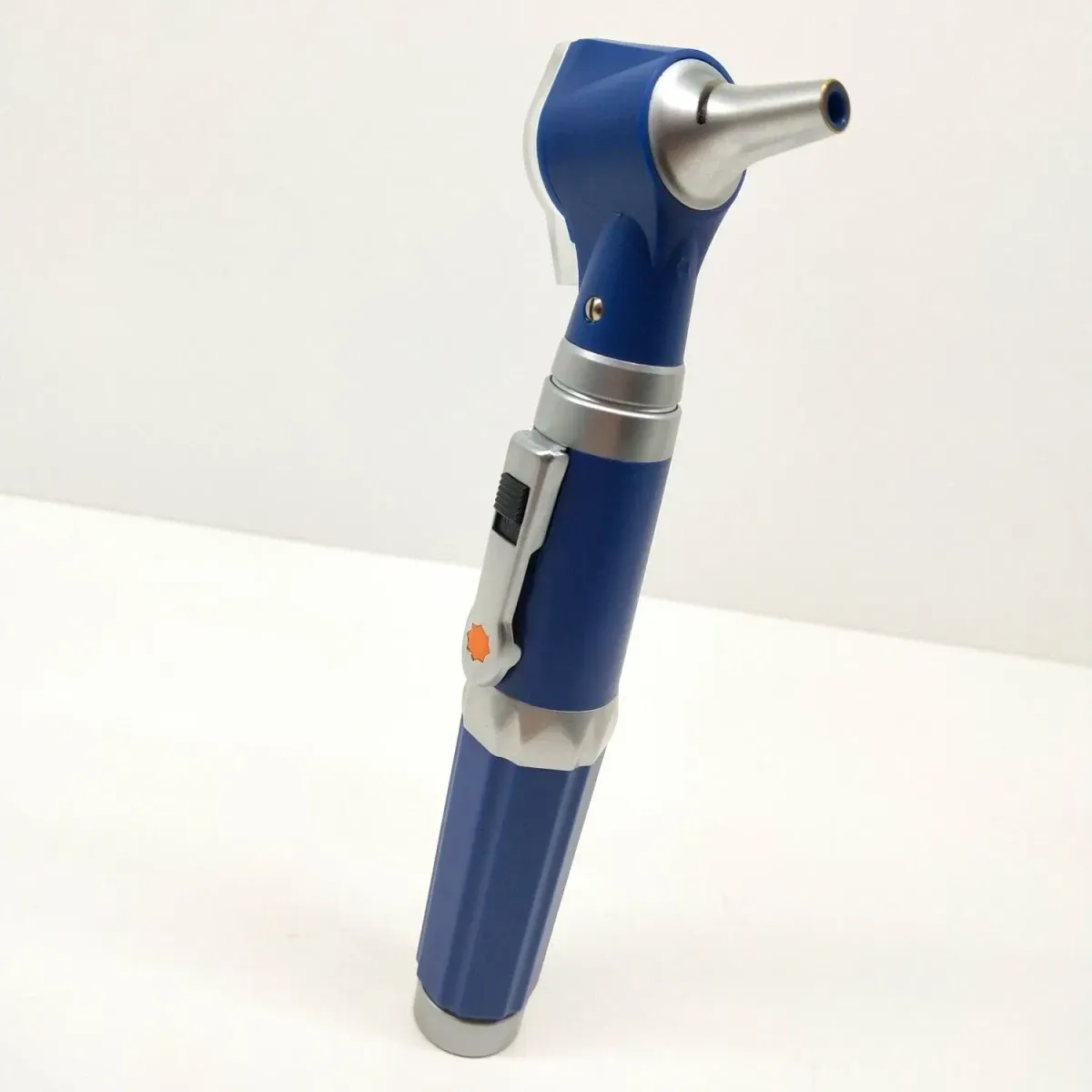
Diagnostic Set Otoscope & Ophthalmoscope
This diagnostic set combines otoscope and ophthalmoscope examination heads for ear and eye assessment. The otoscope supports inspection of the external ear canal and tympanic membrane, while the ophthalmoscope supports examination of internal eye structures. It brings both examination tools into one clinical setup for outpatient and routine diagnostic workflows.
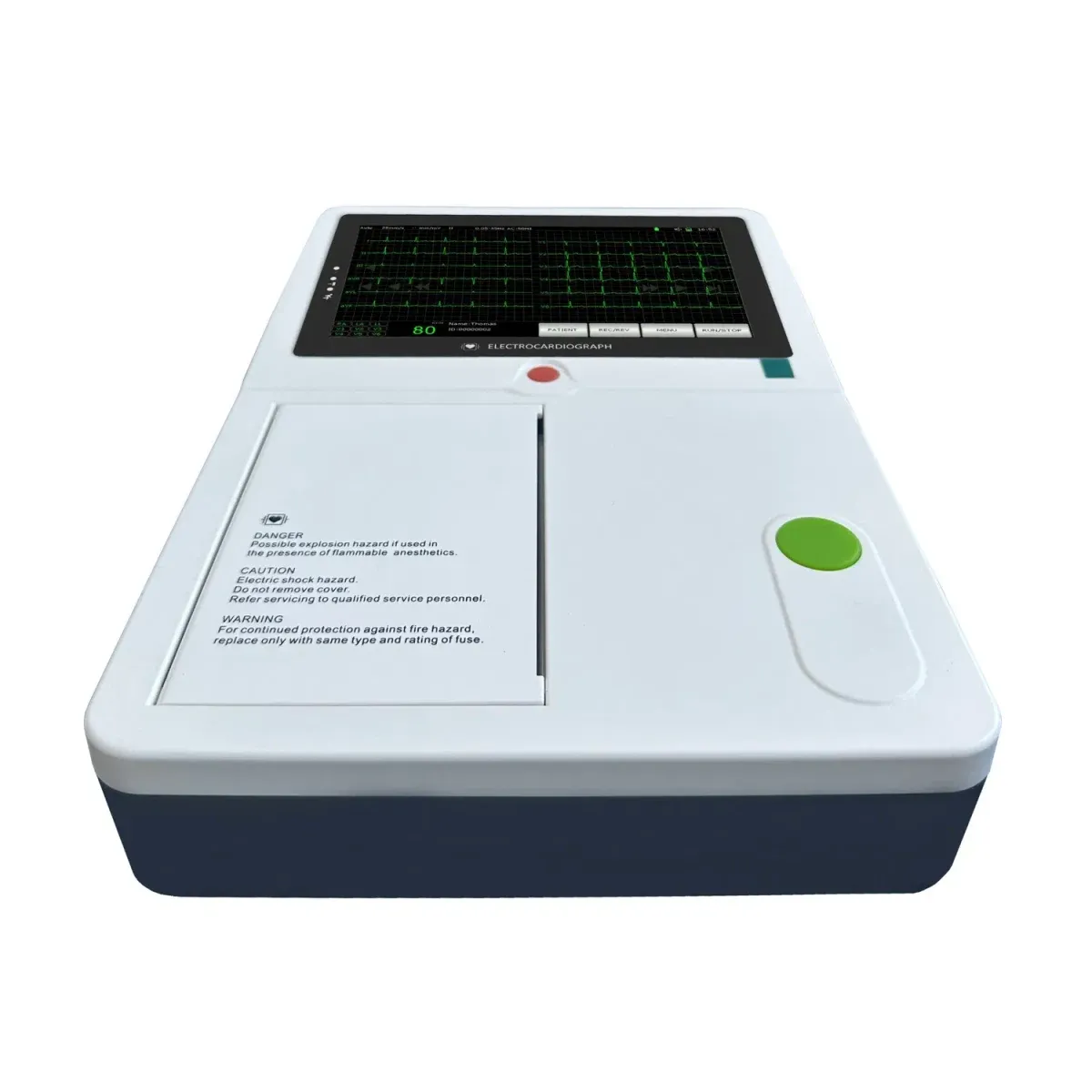
6-Channel Clinical ECG Monitor with Synchronous Acquisition
This six-channel ECG system supports acquisition and presentation of the electrical activity of the heart. The listing identifies synchronous acquisition for collecting signals during a cardiac examination. It forms part of an electrocardiography workflow, with lead acquisition, report format and interpretation functions confirmed for the selected model.
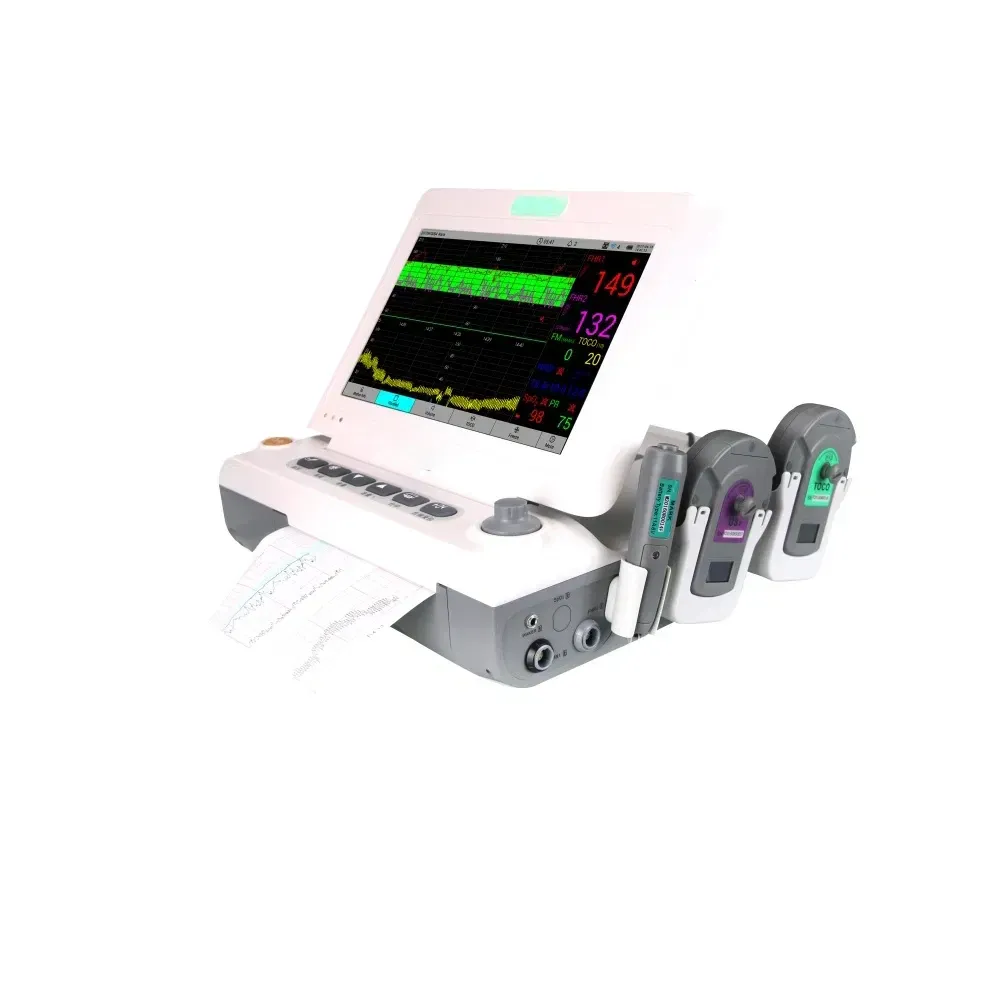
Multi Parameter Patient Monitor Maternal Monitor Fetal Monitor
A multiparameter patient monitor displays physiological measurements for observation of patient status. It supports monitoring workflows in clinical areas where staff need to review several measurements together. This listing references maternal and fetal monitoring in its title, so the required patient-monitoring or obstetric configuration should be established for the selected model.
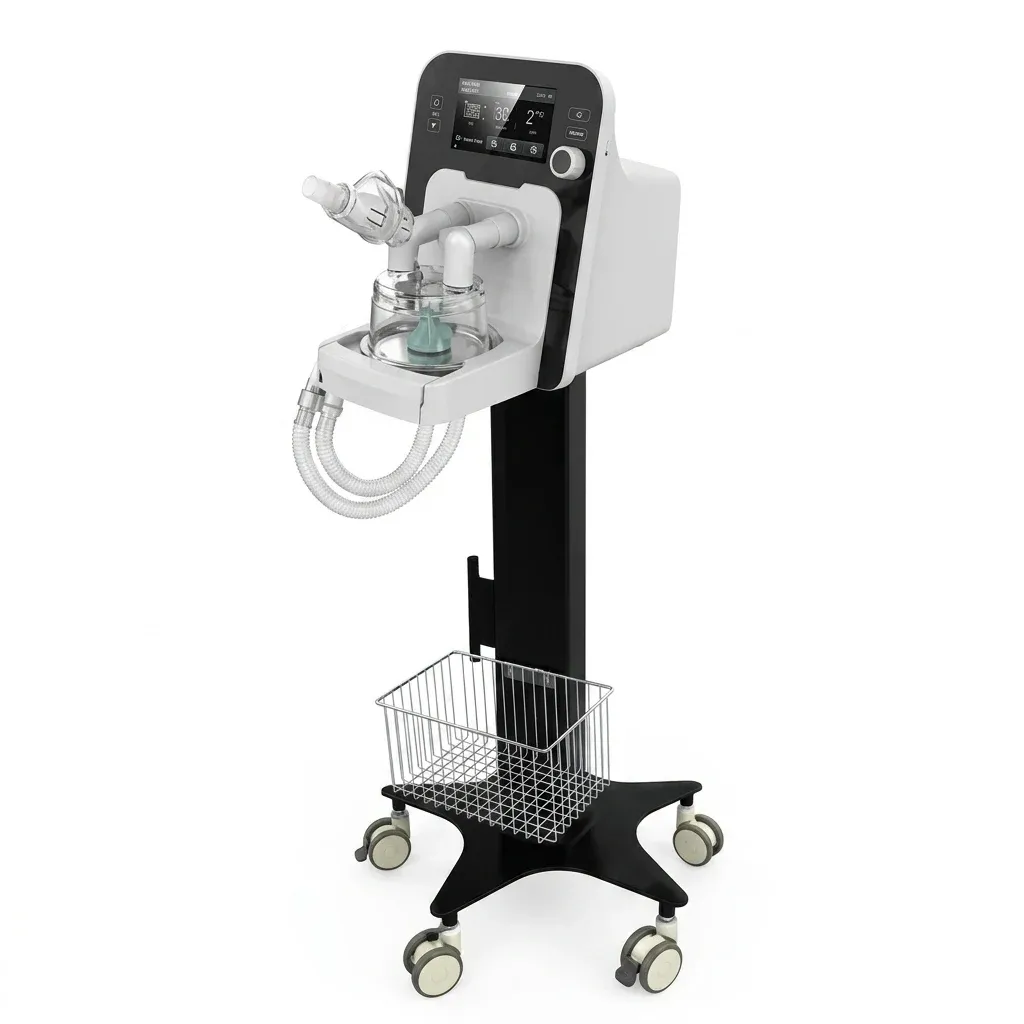
Adult & Pediatric ICU Ventilator Machine Respiratory Rate: 5-150 Breadths Tidal Volume: 3000ml
This ICU ventilator listing is intended for adult and pediatric respiratory-support workflows. A ventilator assists breathing by controlling gas delivery through an appropriate patient circuit. The selected operating modes, patient-size limits and monitoring functions need to match the clinical requirements of the intensive-care service.
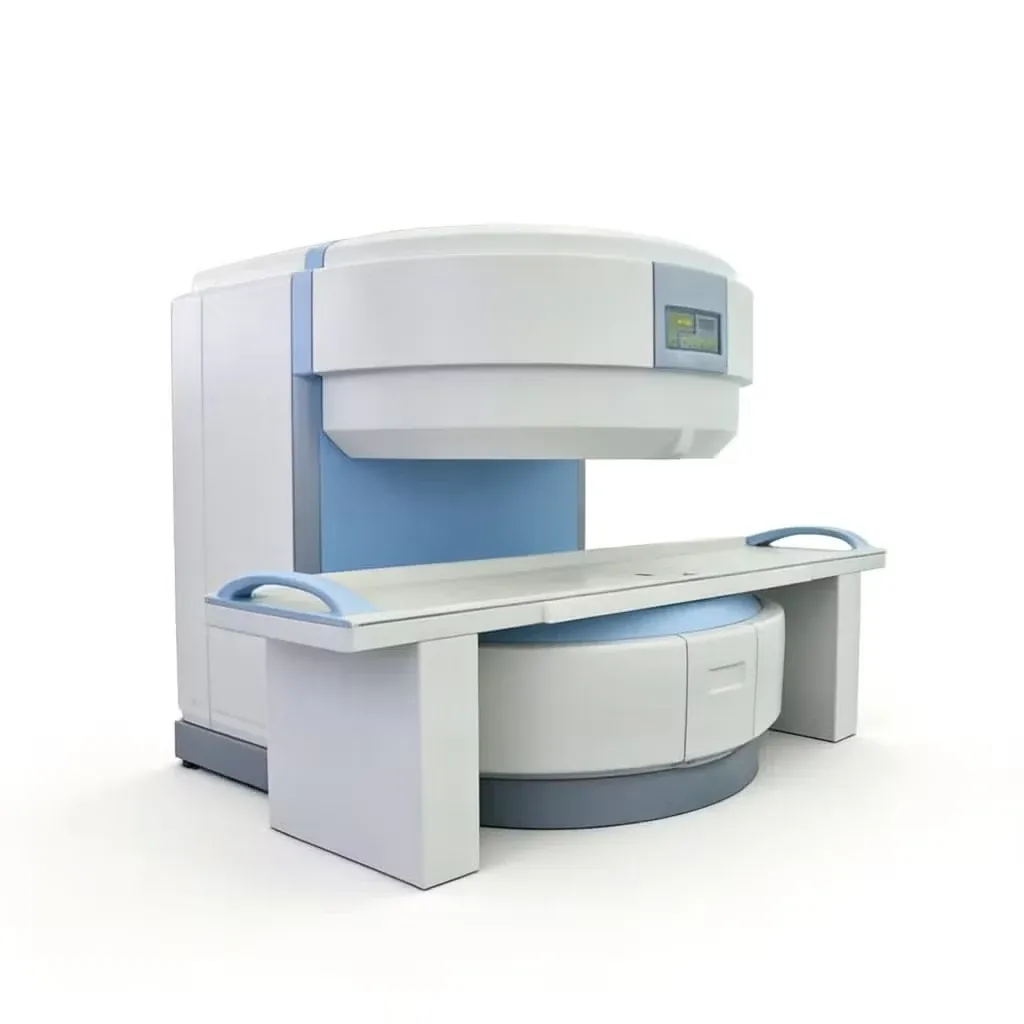
MRI 0.5t Hospital MRI Scanner Mobile Radio Graphic Machine for MRI Center
This listing describes a 0.5 T magnetic resonance imaging scanner for diagnostic imaging services. MRI uses a magnetic field and radiofrequency signals to produce images of internal anatomy. The system supports an imaging-department workflow, with the available examination capabilities determined by the installed coils, software and selected scanner configuration.
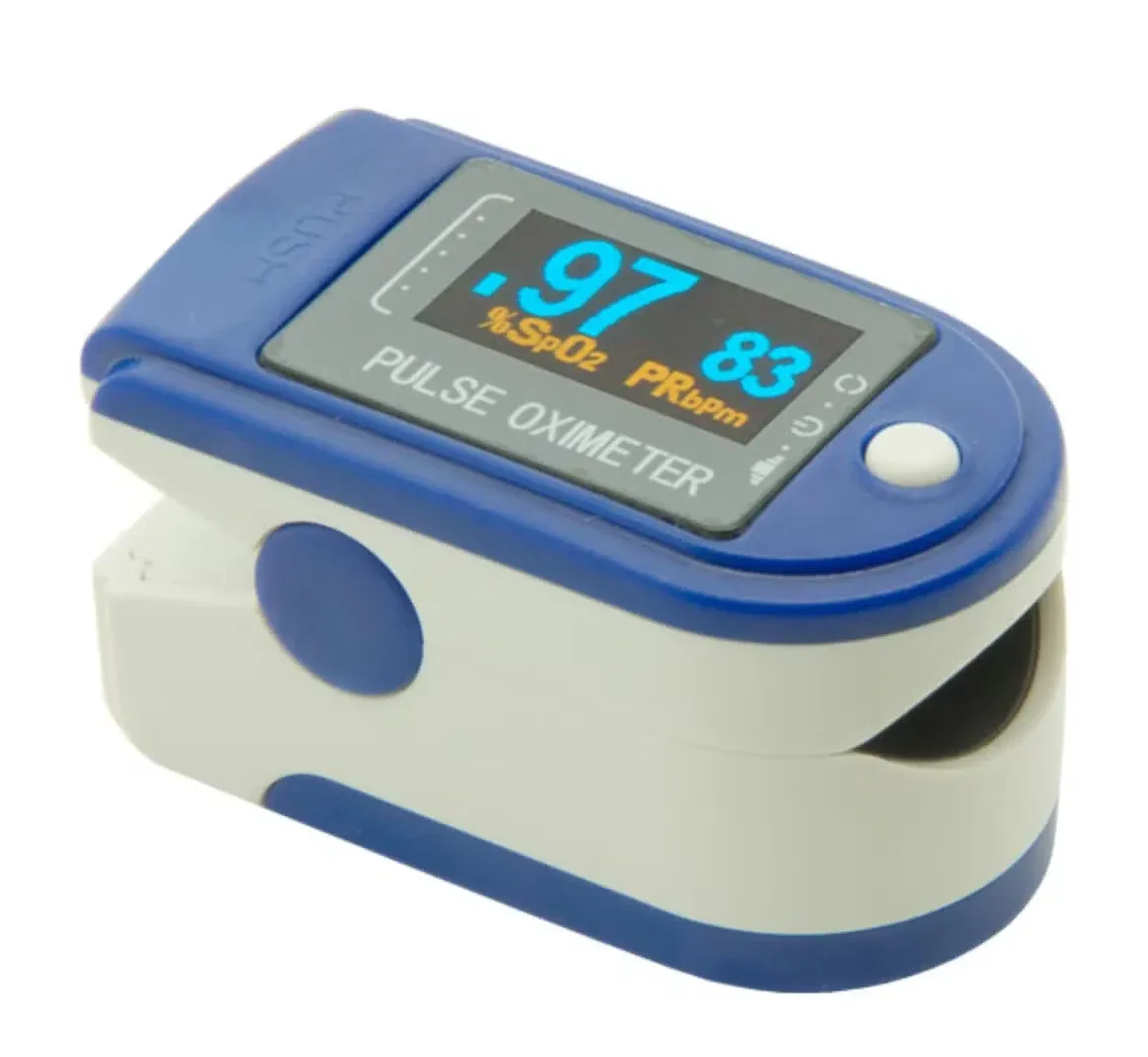
Pulse Oximeter
A pulse oximeter estimates peripheral oxygen saturation and measures pulse rate through a finger sensor. The listing includes an oxygen-saturation display, pulse-rate display, pulse waveform and adjustable display settings. It supports spot-check observation in clinical and prescribed home-monitoring workflows, with the readings interpreted alongside the patient assessment.
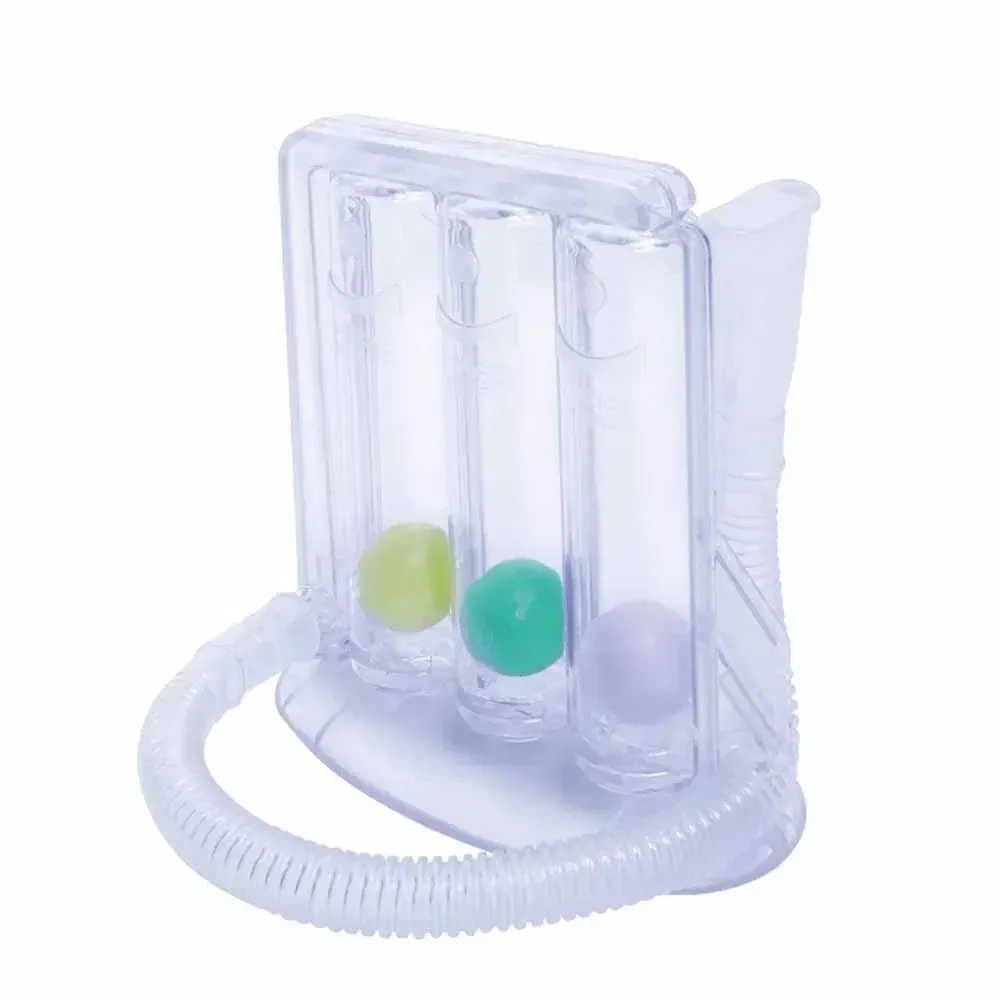
Transparent Portable Three Balls Spirometer Breathing Trainer Incentive Spirometer
A three-ball incentive spirometer is a breathing-exercise device with a transparent chamber arrangement for visual feedback during inhalation. It is used in clinician-directed breathing-exercise and respiratory-rehabilitation workflows. This mechanical breathing trainer should be distinguished from diagnostic spirometers that measure lung-function parameters or generate pulmonary-function reports.
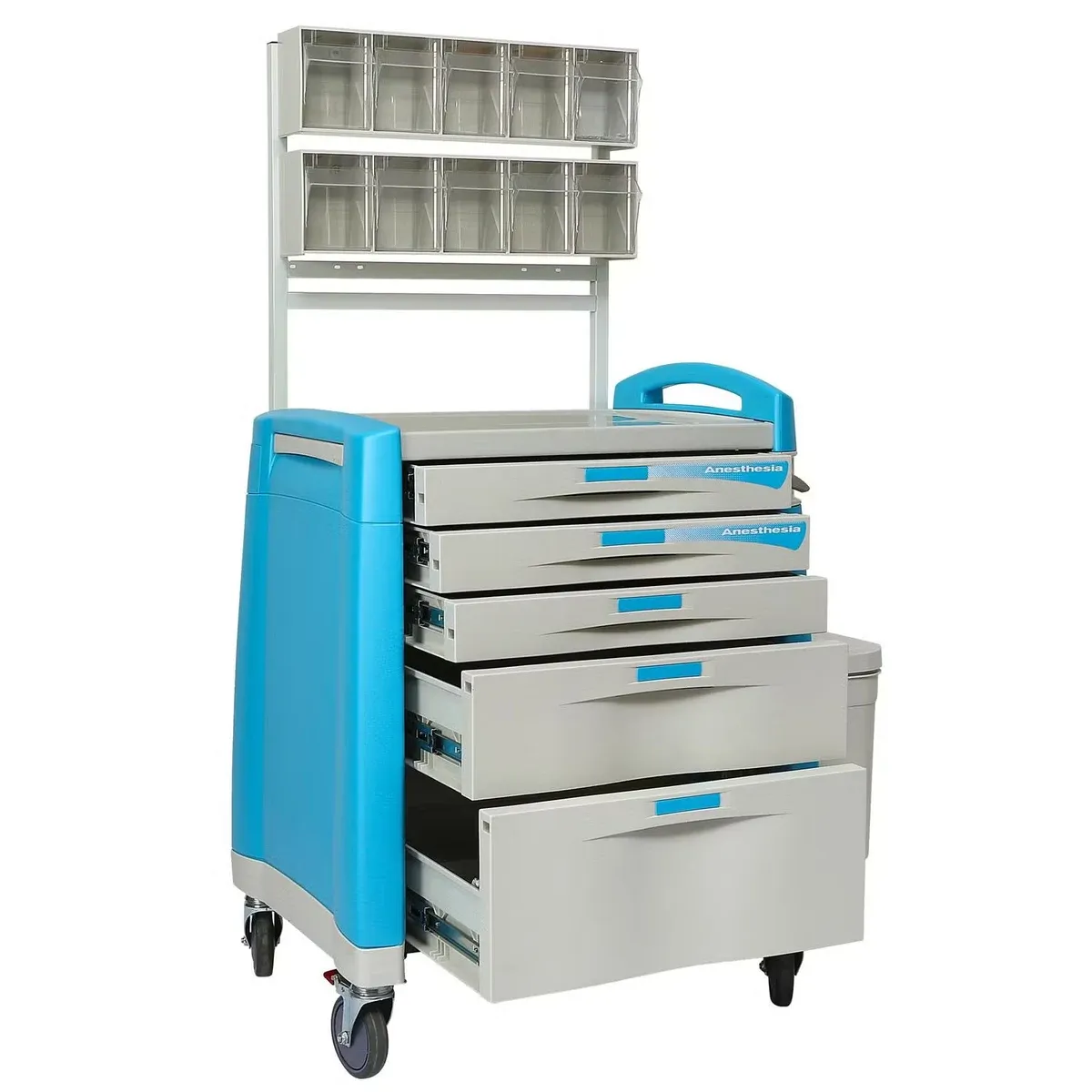
Hospital ABS Resuscitation Trolley for ICU Room
This ABS resuscitation trolley organizes supplies for emergency treatment in intensive care and other clinical areas. The listing specifies swivel castors for movement between care locations and red, blue or grey colour options. It supports a mobile emergency-equipment workflow, with the storage arrangement and equipment holders selected to suit the department setup.
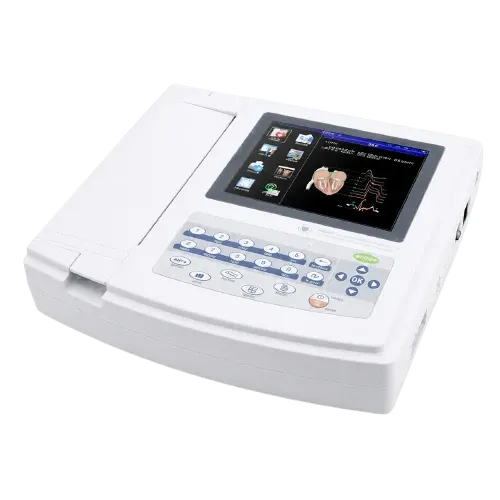
12-Channel Digital ECG Machine with Interpretation & Thermal Printer
The listed configuration is a 12-channel electrocardiograph with 10.1-inch color touchscreen, simultaneous 12-lead acquisition, Glasgow interpretation algorithm, and 216mm wide thermal printer. It supports recording and review of cardiac electrical activity within the examination workflow.
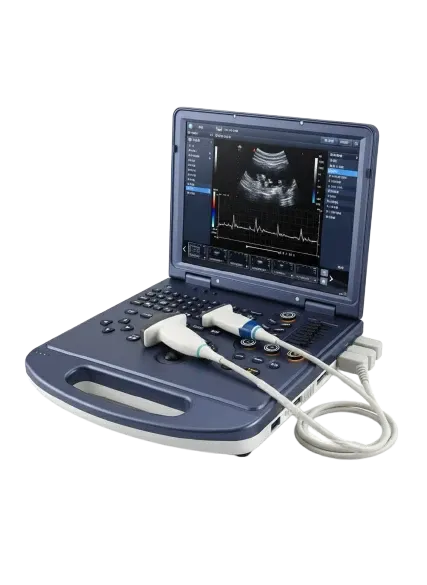
3D/4D Color Doppler Ultrasound Machine with Convex & Linear Probes
The listed configuration is a portable/cart-based 3D/4D color Doppler ultrasound machine with multi-beam digital beamformer, PW/CW Doppler, real-time volume 4D rendering, and multi-probe connectivity. It uses sound-wave imaging to support examination and review of internal anatomy.
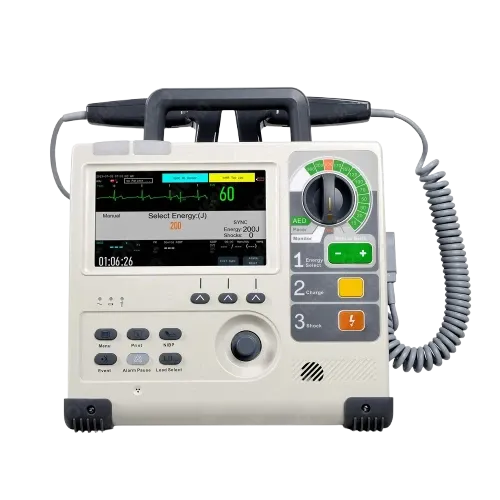
Biphasic Defibrillator Monitor with AED & External Pacing
The listed configuration is a biphasic defibrillator monitor with manual defibrillation, automated external defibrillator (AED) mode, synchronized cardioversion, transcutaneous external pacing, and 7-inch color display. It combines rhythm observation and electrical therapy functions for emergency cardiac-care workflows.
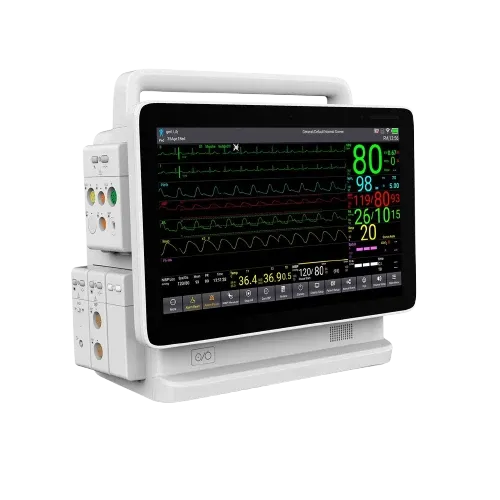
Modular High-End ICU Patient Monitor with Capnography (EtCO2)
The listed configuration is a modular ICU patient monitor with plug-and-play parameter slots, sidestream/mainstream EtCO2 capnography, dual invasive blood pressure (IBP), and 15-inch high-resolution touchscreen. The modular format supports configuration of monitoring parameters for intensive-care observation.
Frequently Asked Questions
Yes. Share your clinic specialty, rooms, expected patient volume, city, and required opening timeline. MedPrax can help with listed products and unlisted sourcing needs.
Start with examination essentials, vitals equipment, required diagnostics, emergency oxygen or defibrillation support, sterilization, and storage. Specialty-specific devices can be added after workflow is clear.
Sourcing Enquiry
Best for GP clinics, specialty OPDs, polyclinics, and diagnostic-facing outpatient rooms.
Sourcing Security
- Verified Hospital Equipment Sourcing
- Comprehensive Planning Support
- Procurement for Medical Facilities
- Direct Sourcing from Top Brands