MedPrax Market

Patient Monitors

Compare multiparameter patient monitors for ICU, emergency, operation theatre, and ward use. Request procurement options and catalogues through MedPrax Market.

  • Current pricing and availability
  • Catalogues and datasheets
  • Single or bulk orders

Devices

Send an enquiry on any device for pricing and availability.

  • Multi Parameter Patient Monitor Maternal Monitor Fetal Monitor

    MedPrax

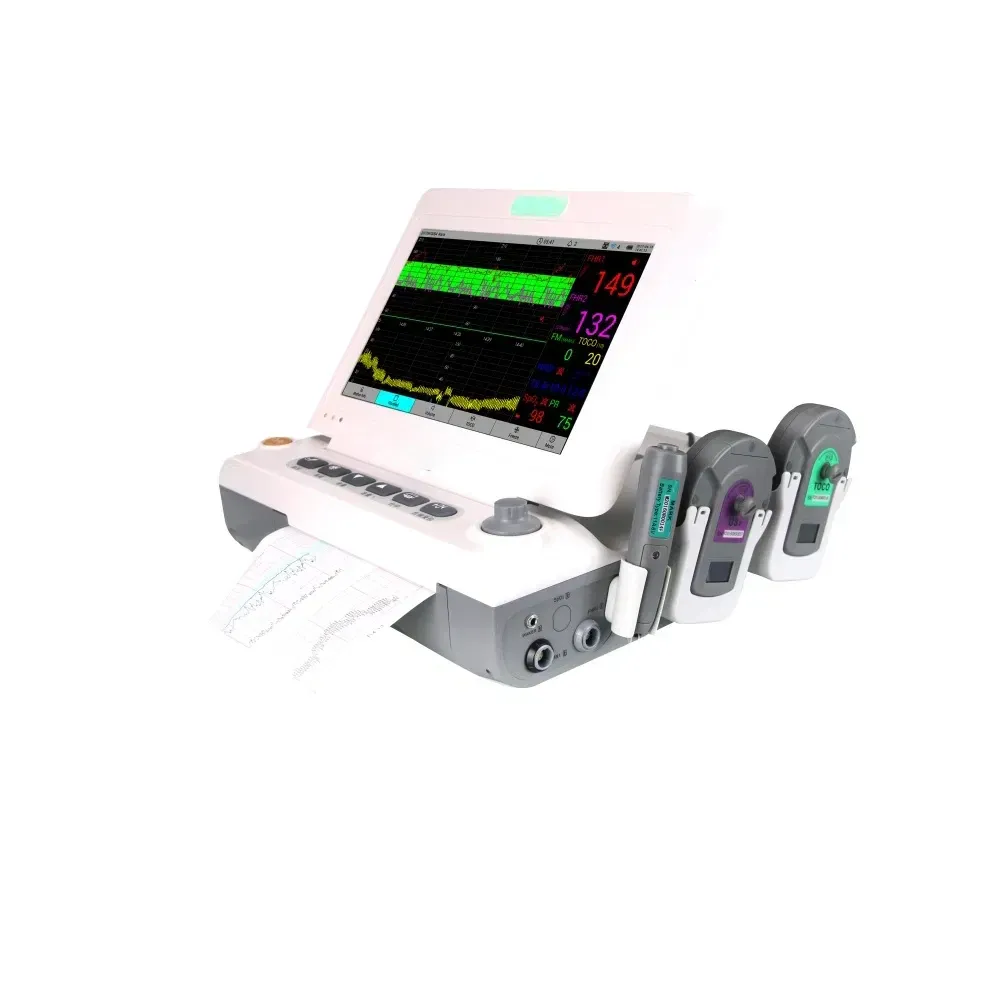
    Multi Parameter Patient Monitor Maternal Monitor Fetal Monitor

    A multiparameter patient monitor displays physiological measurements for observation of patient status. It supports monitoring workflows in clinical areas where staff need to review several measurements together. This listing references maternal and fetal monitoring in its title, so the required patient-monitoring or obstetric configuration should be established for the selected model.

    On Enquiry
    4.6(1)
  • 5-Parameter Multipara Patient Monitor (12.1" Display)

    MedPrax

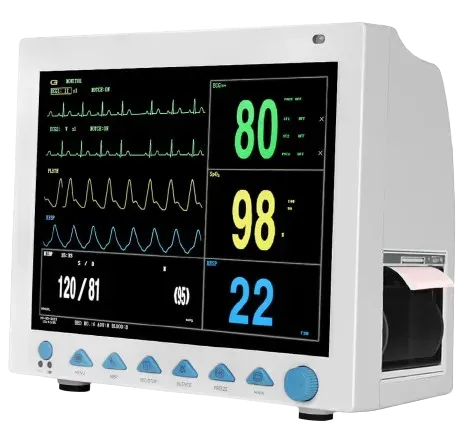
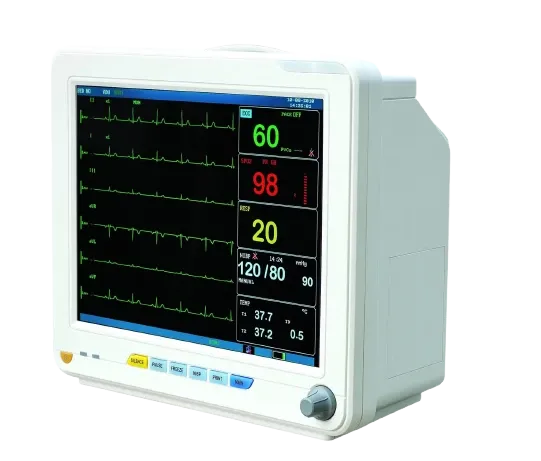
    5-Parameter Multipara Patient Monitor (12.1" Display)

    The listed configuration is a comprehensive 12.1-inch color TFT multi-parameter patient monitor offering continuous real-time ECG, SpO2, NIBP, Respiration, and Dual Temperature tracking with arrhythmia analysis. It displays physiological measurements together for observation and clinical review of patient status.

    On Enquiry
    4.7(1)
  • Modular High-End ICU Patient Monitor with Capnography (EtCO2)

    MedPrax

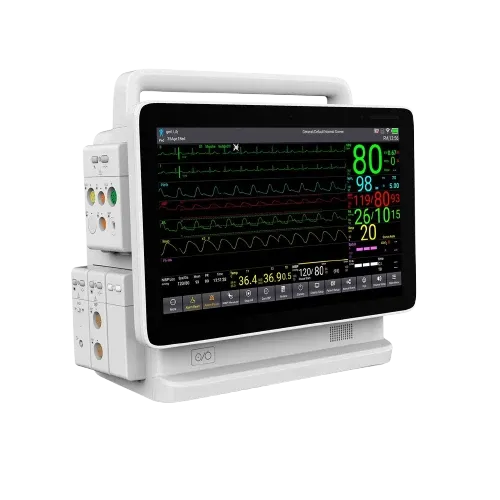
    Modular High-End ICU Patient Monitor with Capnography (EtCO2)

    The listed configuration is a modular ICU patient monitor with plug-and-play parameter slots, sidestream/mainstream EtCO2 capnography, dual invasive blood pressure (IBP), and 15-inch high-resolution touchscreen. The modular format supports configuration of monitoring parameters for intensive-care observation.

    On Enquiry
    4.9(1)
  • Pulse Oximeter

    MedPrax

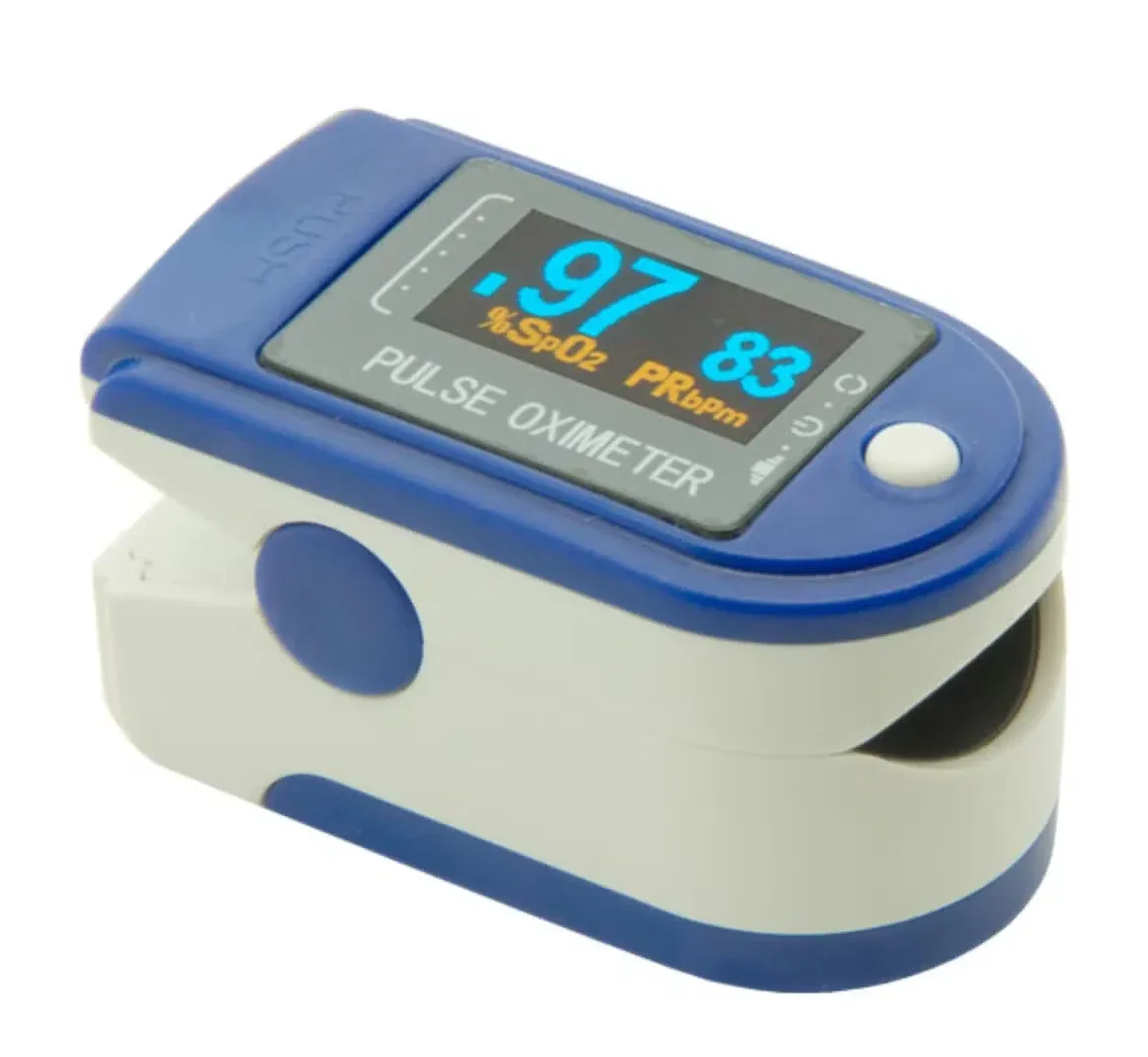
    Pulse Oximeter

    A pulse oximeter estimates peripheral oxygen saturation and measures pulse rate through a finger sensor. The listing includes an oxygen-saturation display, pulse-rate display, pulse waveform and adjustable display settings. It supports spot-check observation in clinical and prescribed home-monitoring workflows, with the readings interpreted alongside the patient assessment.

    On Enquiry
    4.7(1)
  • Patient Monitor

    MedPrax

    Patient Monitor

    A patient monitor displays physiological measurements for observation of patient status. This listing covers monitoring equipment for intensive care, operating theatres and hospital wards. The available measurements and accessories depend on the selected configuration and the department monitoring requirements.

    On Enquiry
    4.7(1)

Can't find the exact device?

Tell us what you need and MedPrax will source matching patient monitors with current pricing and availability.

  • Device type, quantity, and clinical use
  • Delivery city, timeline, and installation needs
  • Preferred brands, budget, and documentation

Patient Monitors procurement guide

Patient monitor sourcing should consider measured parameters, display size, alarm controls, connectivity, battery backup, mounting options, accessories, and compatibility with hospital workflows. MedPrax Market supports enquiry-led comparison for different care settings.

  • Define required parameters such as ECG, SpO2, NIBP, temperature, EtCO2, and IBP.
  • Check screen size, alarms, trend storage, network connectivity, and battery backup.
  • Request sensor/accessory details, warranty, service support, and installation requirements.

Make the enquiry quote-ready

Share the clinical setting, quantity, delivery city, expected timeline, preferred brands or models, and whether alternatives can be considered. For patient monitors, also ask for the catalogue, technical datasheet, accessories, warranty, installation, training, and service details that apply to the selected configuration.

  • Facility type, department, expected workload, and intended use
  • Quantity, delivery location, procurement timeline, and site readiness
  • Preferred configuration or model, with flexibility on alternatives
  • Documentation, warranty, service, installation, and training expectations

FAQs

What should I compare before enquiring for patient monitors?

Compare clinical setting, required parameters, alarm needs, screen size, accessories, connectivity, warranty, and service support.

Can I request multiple monitor options?

Yes. Use the enquiry flow to describe your requirement and ask MedPrax for multiple equipment or configuration options.

Procurement guide

Patient Monitors Procurement Support

Choosing patient monitors for your requirement

Compare multiparameter patient monitors for ICU, emergency, operation theatre, and ward use. Request procurement options and catalogues through MedPrax Market. The right choice depends on where the equipment will be used and what problem it must solve. A small clinic, high-volume diagnostic center, ICU, OT, emergency room or distributor tender may require different features, accessories, documentation and service support even within the same category.

When you contact MedPrax, explain the clinical setting, expected workload, quantity, delivery city, timeline and preferred brands or models. If you are replacing an older device, mention the current model and what needs to improve. If you are setting up a new department, include the room count, expected workload and related equipment list.

Information that improves recommendations

These checks help MedPrax understand the requirement: Define required parameters such as ECG, SpO2, NIBP, temperature, EtCO2, and IBP. Check screen size, alarms, trend storage, network connectivity, and battery backup. Request sensor/accessory details, warranty, service support, and installation requirements. They affect daily use, support cost, service planning and long-term reliability.

You do not need every detail finalized before sending an enquiry. Share what you know and flag what is uncertain. MedPrax can then help you clarify the requirement, request catalogues, compare suitable options and discuss alternatives when the preferred model is unavailable or outside budget.

  • Mention whether the equipment is for ICU, OT, diagnostics, OPD, emergency, ward or full setup use.
  • Share quantity, delivery city, timeline and required accessories.
  • Include preferred brands, budget context and whether alternatives are acceptable.
  • Ask for catalogue, datasheet, warranty, documentation and service support details.

Total cost of ownership

The right buying decision is not always the lowest initial quote. Accessories, consumables, installation, calibration, software, replacement parts, preventive maintenance and downtime can change the actual cost of ownership. A slightly higher purchase price may be more practical if it includes better support, faster service response or the accessories needed for immediate use.

For hospitals and institutions, build the approval file around the full operating cost. Include device configuration, technical justification, warranty terms, service expectations and any recurring consumables. This makes internal review easier and helps avoid surprises after the order is placed.

Documentation and service questions

Request manufacturer or supplier details, product catalogue, technical datasheet, warranty terms, installation notes and service coverage. Biomedical teams should also ask about spare availability, preventive maintenance, calibration, downtime escalation and whether user training is included. These questions are especially important for critical care, surgical, diagnostic and emergency equipment.

If the purchase requires compliance review, financing, import planning or institutional approval, mention that in the enquiry. MedPrax can then understand what documentation should be discussed during follow-up instead of treating the request like a simple product lookup.

How MedPrax can help next

Tell MedPrax what you are trying to achieve: a single device purchase, a bulk order, a replacement, a new department setup or a complete equipment list. Include organization type, city, quantity, department, preferred brand, timeline, financing interest if relevant, customs needs if relevant and whether substitutes can be considered.

If the exact product is not listed, send the requirement anyway. MedPrax can review unlisted needs and discuss possible sourcing support based on the equipment category, location, budget context and procurement stage.