MedPrax Market

Surgical Instruments

Source surgical instruments for hospitals, clinics, and operation theatres. Compare product categories and request procurement support through MedPrax Market.

  • Current pricing and availability
  • Catalogues and datasheets
  • Single or bulk orders

Devices

Send an enquiry on any device for pricing and availability.

View all devices
  • Portable Hand Drill for Neuro, Spine and Orthopedic Surgery

    MedPrax

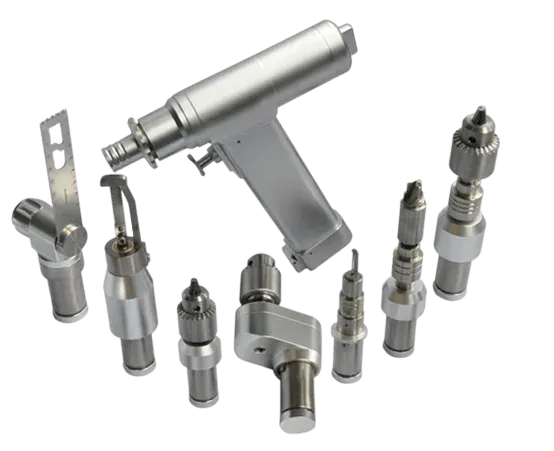
    Portable Hand Drill for Neuro, Spine and Orthopedic Surgery

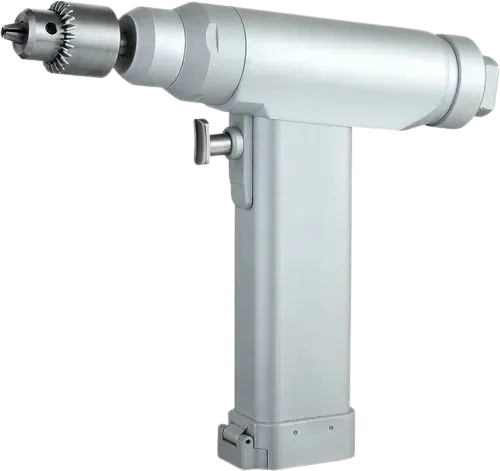
    A compact, hand-held surgical drill for controlled bone drilling in neuro, spine, and orthopedic procedures. The pistol-grip body and keyed multi-jaw chuck support stable handling with procedure-selected drill bits. Power configuration, attachments, and sterilization protocol are confirmed during enquiry.

    $2,500 onwards
    5.0(1)
  • Bookwalter Retractor

    MedPrax

    Bookwalter Retractor

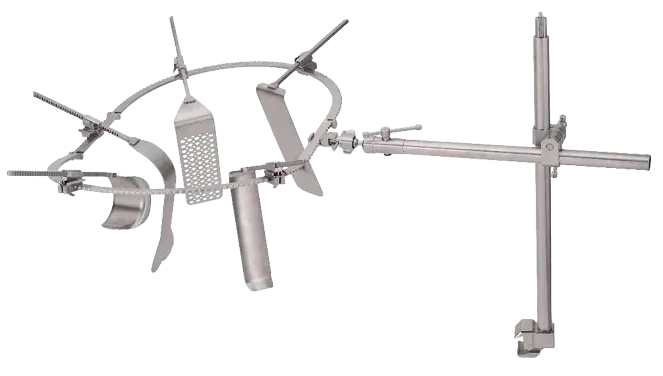
    A Bookwalter retractor is a self-retaining surgical retraction system anchored to the operating table. The table-mounted arrangement supports sustained exposure while freeing staff from continuous manual retraction. The retractor assembly is selected to suit the operative field and the required tissue-holding positions.

    On Enquiry
    4.7(1)
  • Craniotomy Drill Set

    MedPrax

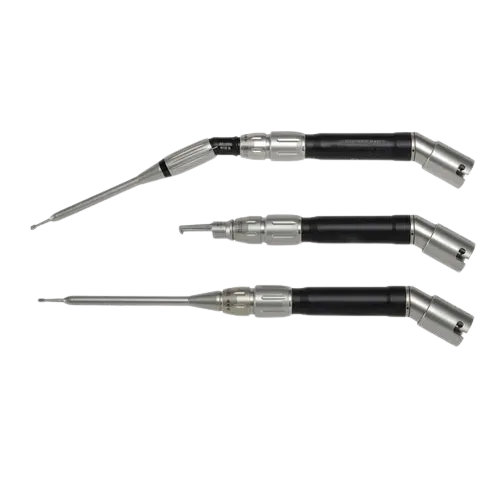
    Craniotomy Drill Set

    A craniotomy drill set provides drilling instruments for bone preparation during cranial surgery. It supports operative workflows requiring cranial access and controlled bone drilling. The set configuration is selected according to the required drill sizes, attachments and compatibility with the intended drive system.

    On Enquiry
    5.0(1)
  • Insufflator

    MedPrax

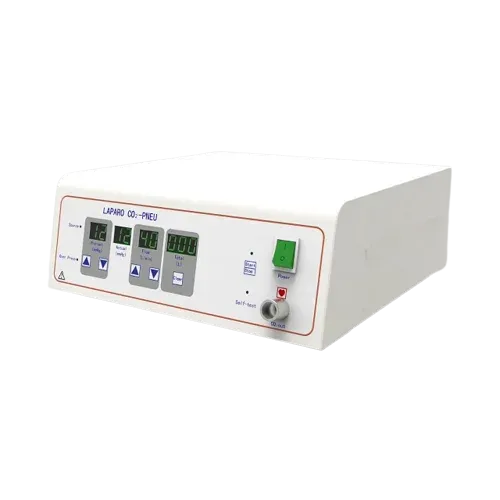
    Insufflator

    An insufflator delivers carbon dioxide to establish and maintain a working space during laparoscopic surgery. It supports pneumoperitoneum as part of the minimally invasive operative setup. The system is selected according to the required flow capability, pressure controls and compatibility with the intended tubing and access equipment.

    On Enquiry
    4.6(1)
  • Ultrasonic Harmonic Surgical Scalpel & Generator System

    MedPrax

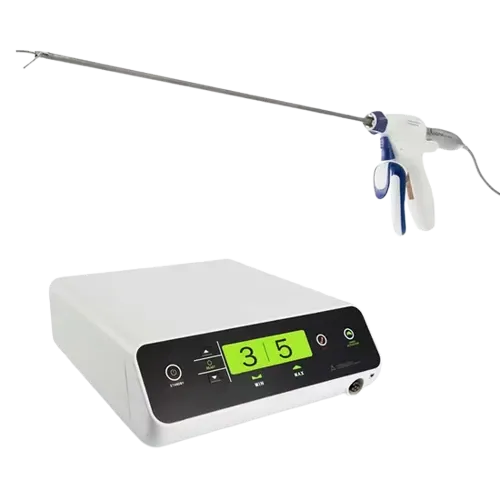
    Ultrasonic Harmonic Surgical Scalpel & Generator System

    The listed configuration is a ultrasonic harmonic surgical generator and shears system providing precise simultaneous cutting and coagulation of soft tissue and vessels up to 5mm with minimal thermal spread. It uses ultrasonic energy for surgical tissue cutting and coagulation through a compatible handpiece.

    On Enquiry
    4.9(1)
  • Surgical Forceps

    MedPrax

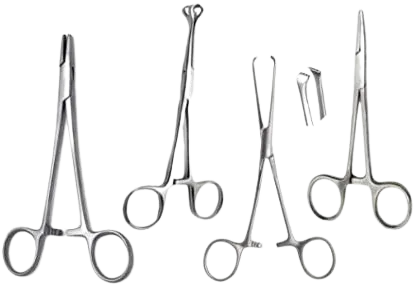
    Surgical Forceps

    Surgical forceps are grasping instruments used to hold tissue or small objects during clinical procedures. The range is available in different sizes and working-end profiles for different handling requirements. They support tissue manipulation, dressing placement and instrument handling as part of a surgical setup.

    On Enquiry
    4.6(1)
  • Neurosurgical Drills

    MedPrax

    Neurosurgical Drills

    Neurosurgical drills are used for controlled bone drilling during cranial procedures. The range is available in different sizes to accommodate procedure-specific drilling requirements. Drill selection depends on the required access, compatible cutting attachments and the operating-room setup.

    On Enquiry
    4.7(1)
  • Rake Retractor

    MedPrax

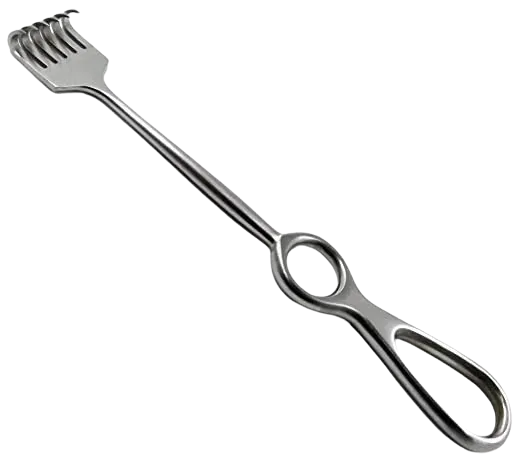
    Rake Retractor

    A rake retractor is a hand-held surgical instrument used to draw back tissue and expose an operative site. This listing describes a working end with sharp teeth for engaging tissue edges. It supports controlled retraction during open procedures where the clinician needs access to underlying structures.

    On Enquiry
    4.8(1)
  • Malleable Retractor

    MedPrax

    Malleable Retractor

    A malleable retractor is a bendable surgical instrument used to hold tissue away from an operative site. The working profile can be shaped to suit the exposure required during a procedure. It is used in abdominal and other open surgical workflows, including tissue separation during closure.

    On Enquiry
    4.8(1)
  • Irrigation Syringe (Reusable)

    MedPrax

    Irrigation Syringe (Reusable)

    A large-volume, piston-type syringe—typically 50 mL to 100 mL capacity—with a catheter-tip or bulb-tip nozzle, used for wound irrigation, bladder irrigation, and enteral feeding bolus delivery. Constructed from autoclavable polypropylene or stainless steel, the reusable irrigation syringe generates a controlled, adjustable stream of irrigating fluid to cleanse wounds, lavage body cavities, and flush drainage tubes.

    On Enquiry
    4.9(1)
  • Circular Cutter

    MedPrax

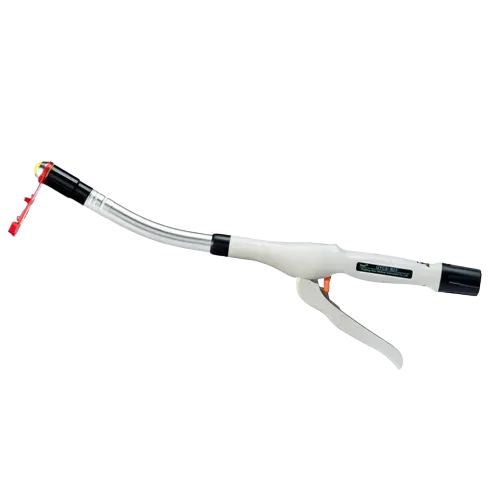
    Circular Cutter

    A circular cutter is a surgical instrument that creates a circular tissue cut and staple line. It supports re-anastomosis of hollow structures, including bowel, within an operative reconstruction workflow. The selected diameter and compatible components need to suit the intended anatomy and tissue-joining approach.

    On Enquiry
    4.9(1)
  • Poole Suction Tube

    MedPrax

    Poole Suction Tube

    A Poole suction tube is used to evacuate larger volumes of fluid from a surgical field. It supports intra-abdominal suction and fluid removal during open procedures. The instrument is selected as part of a compatible suction setup according to the required access and fluid-management task.

    On Enquiry
    4.8(1)
  • Grooved Director

    MedPrax

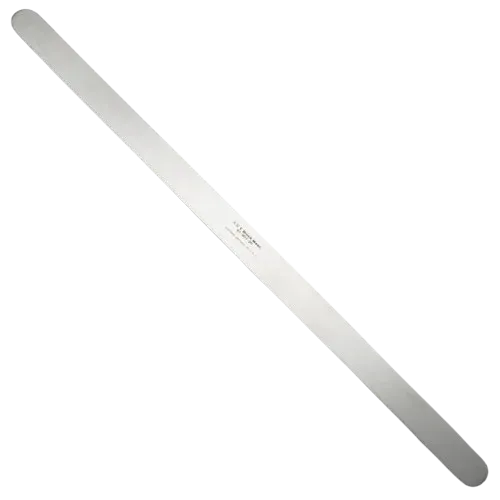
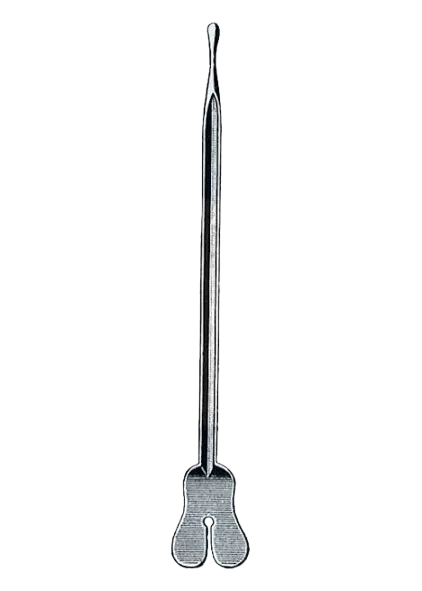
    Grooved Director

    A flat, channelled instrument with a longitudinal groove along its surface and a probe-tipped end, used to guide a scalpel or scissors along a safe path during tissue dissection and incision. The groove cradles the cutting blade, preventing it from deviating laterally and protecting underlying structures from inadvertent injury.

    On Enquiry
    4.6(1)
  • Laparoscopic Instruments

    MedPrax

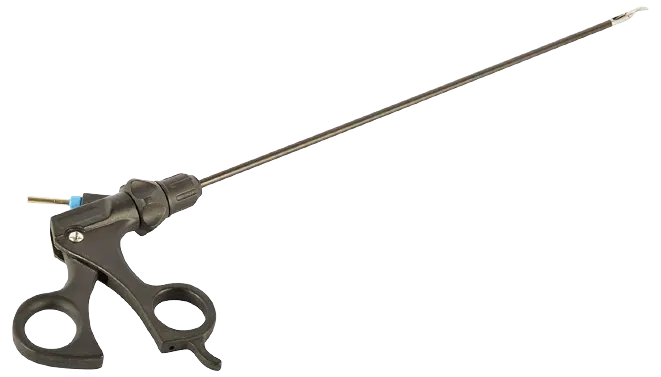
    Laparoscopic Instruments

    Laparoscopic instruments are shafted surgical tools used through trocar ports during minimally invasive procedures. The range covers grasping, retraction, cutting and other operative functions according to the selected instrument. Working length, shaft diameter and tip design are matched to the access ports and surgical task.

    On Enquiry
    4.7(1)
  • Kocher Clamp

    MedPrax

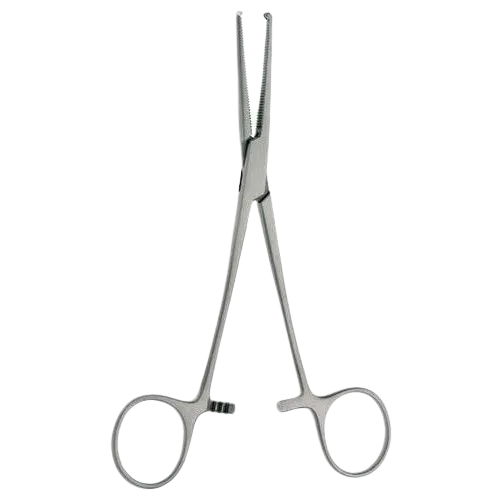
    Kocher Clamp

    A Kocher clamp is a toothed surgical clamp used for firm grasping of dense tissue. The toothed working end supports traction where a secure tissue hold is required. It is selected for tissue-handling tasks appropriate to a toothed clamp rather than delicate, non-penetrating grasping.

    On Enquiry
    5.0(1)
  • Russian Forceps

    MedPrax

    Russian Forceps

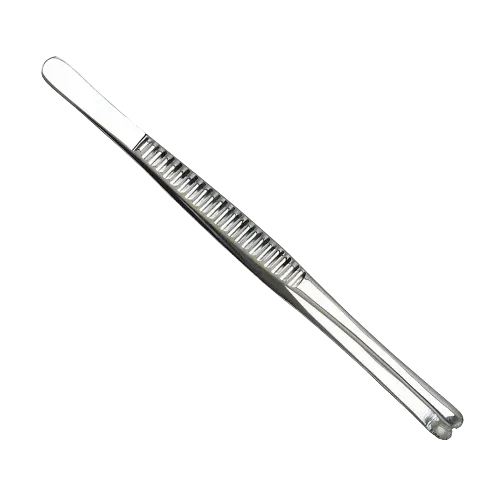
    Russian forceps are tissue-grasping instruments used during dissection, suturing and tissue positioning. The characteristic rounded grasping profile provides an alternative to narrow-tip forceps. They support handling of tissue within an operative field, with instrument selection and grip pressure determined by the clinical task.

    On Enquiry
    4.7(1)
  • Debakey Forceps

    MedPrax

    Debakey Forceps

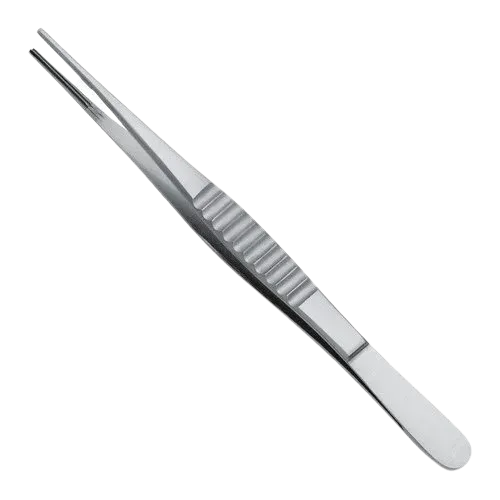
    DeBakey forceps are surgical grasping instruments used for controlled handling of tissue during dissection. The DeBakey jaw pattern is commonly selected for delicate tissue and vascular handling. The instrument supports traction and positioning in surgical workflows where the working-end profile is important.

    On Enquiry
    4.7(1)
  • Iris Scissors (Straight)

    MedPrax

    Iris Scissors (Straight)

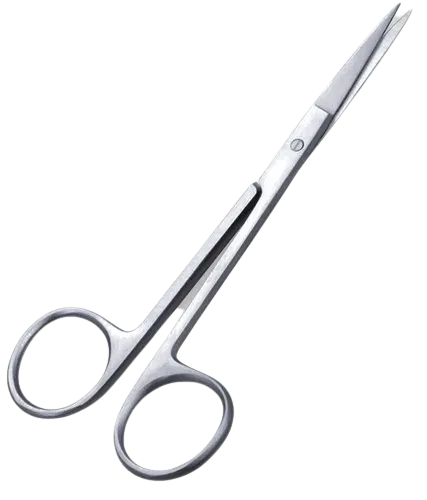
    Straight iris scissors are fine cutting instruments used for delicate dissection and trimming fine sutures. The straight working end supports small, controlled cuts in accessible tissue or material. They form part of instrument sets for procedures requiring a compact scissors profile and fine cutting control.

    On Enquiry
    5.0(1)
  • Veress Needle

    MedPrax

    Veress Needle

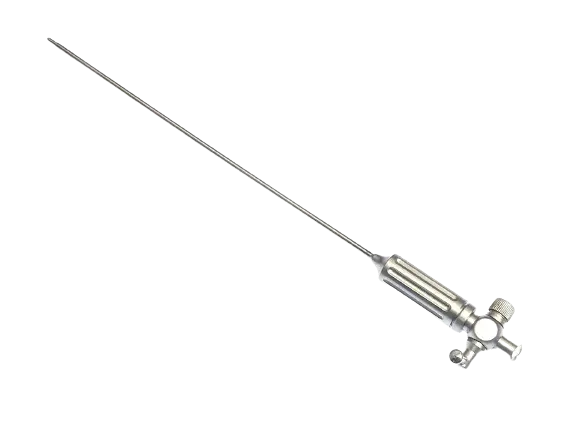
    A Veress needle is an access instrument used for introducing insufflation gas during laparoscopic preparation. It forms part of the equipment used to establish pneumoperitoneum before placement of working ports. The needle length and connection format are selected to suit the clinical access technique and insufflation setup.

    On Enquiry
    4.7(1)
  • Trocars

    MedPrax

    Trocars

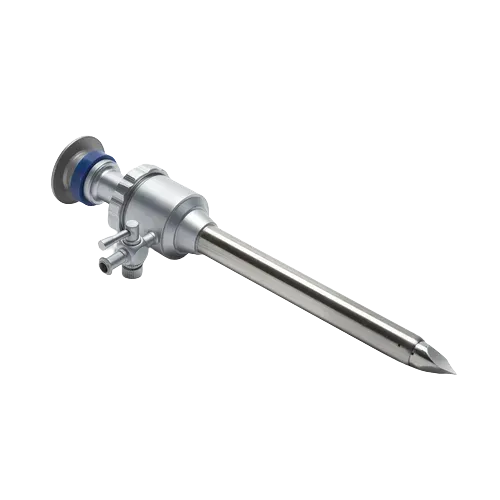
    Trocars provide access ports through which laparoscopic instruments can enter an operative cavity. The range is available in multiple sizes to suit different instrument diameters and access requirements. They form part of the laparoscopic setup and support the working channels required for the selected procedure.

    On Enquiry
    4.8(1)
  • Linear Cutter

    MedPrax

    Linear Cutter

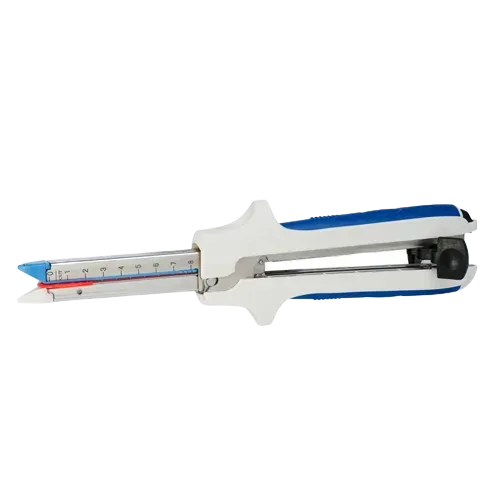
    A linear cutter is a surgical stapling instrument that divides tissue along a linear path and staples the cut edges. The combined cutting and stapling action supports tissue separation and reconstruction. It is used in procedures involving resection or anastomosis, with cartridge selection matched to the intended tissue.

    On Enquiry
    4.5(1)
  • Frazier Suction

    MedPrax

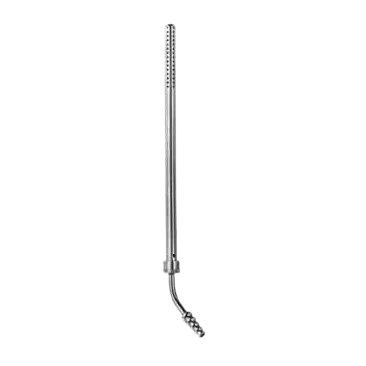
    Frazier Suction

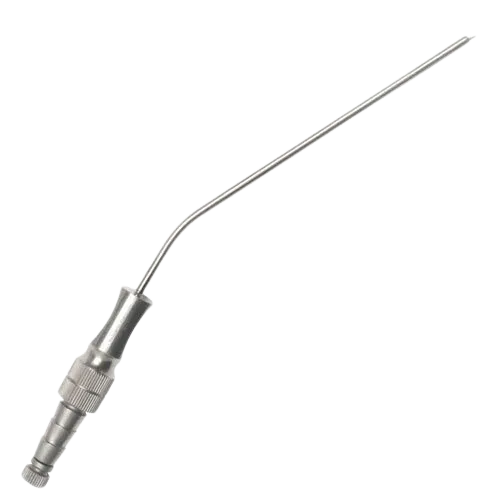
    A Frazier suction instrument is used to remove fluid from smaller or deeper operative spaces. The typically angled working profile supports access during ENT and neurosurgical procedures. It forms part of a clinical suction setup where the tip size and access angle are matched to the surgical field.

    On Enquiry
    4.9(1)
  • Weitlaner Retractor

    MedPrax

    Weitlaner Retractor

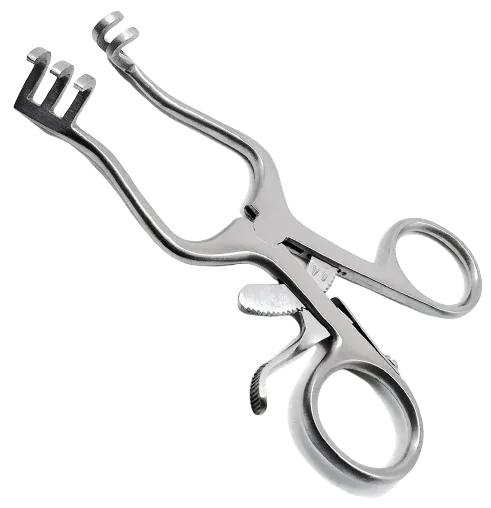
    A Weitlaner retractor is a self-retaining surgical instrument used to maintain exposure of an operative site. Its self-retaining arrangement holds tissue apart without continuous hand-held retraction. It supports smaller or deeper surgical fields where the selected working-end size and spread match the required access.

    On Enquiry
    4.8(1)
  • Army Navy Retractor

    MedPrax

    Army Navy Retractor

    An Army-Navy retractor is a hand-held instrument used to expose skin and superficial tissue layers. It supports manual retraction around an incision during open surgical procedures. The instrument forms part of general surgical sets where controlled exposure of a relatively shallow operative field is required.

    On Enquiry
    4.6(1)
  • Deaver Retractor

    MedPrax

    Deaver Retractor

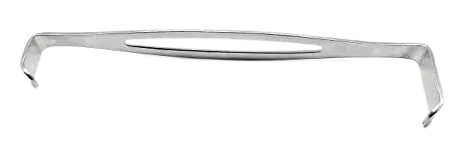
    A Deaver retractor is a hand-held surgical instrument used to draw back the abdominal wall and deeper tissue. Its retraction function supports exposure of an operative field during open procedures. The selected blade size and working length are matched to the depth and extent of the required access.

    On Enquiry
    4.8(1)

Can't find the exact device?

Tell us what you need and MedPrax will source matching surgical instruments with current pricing and availability.

  • Device type, quantity, and clinical use
  • Delivery city, timeline, and installation needs
  • Preferred brands, budget, and documentation

Surgical Instruments procurement guide

Surgical instrument procurement depends on procedure type, material grade, sterilization compatibility, finish, instrument pattern, set composition, and documentation. MedPrax Market helps teams request current options directly from MedPrax.

  • Define instrument type, procedure, size, pattern, and quantity before enquiring.
  • Ask about stainless steel grade, sterilization compatibility, packing, and documentation.
  • Confirm replacement, warranty, bulk supply, and delivery timelines.

Make the enquiry quote-ready

Share the clinical setting, quantity, delivery city, expected timeline, preferred brands or models, and whether alternatives can be considered. For surgical instruments, also ask for the catalogue, technical datasheet, accessories, warranty, installation, training, and service details that apply to the selected configuration.

  • Facility type, department, expected workload, and intended use
  • Quantity, delivery location, procurement timeline, and site readiness
  • Preferred configuration or model, with flexibility on alternatives
  • Documentation, warranty, service, installation, and training expectations

FAQs

Can hospitals request bulk surgical instrument support?

Yes. MedPrax Market is enquiry-led, so procurement teams can request bulk availability and current commercial terms.

What information helps MedPrax respond faster?

Include instrument names, sizes, quantities, intended department, delivery location, and any preferred brands or standards.

Procurement guide

Surgical Instruments Procurement Support

Choosing surgical instruments for your requirement

Source surgical instruments for hospitals, clinics, and operation theatres. Compare product categories and request procurement support through MedPrax Market. The right choice depends on where the equipment will be used and what problem it must solve. A small clinic, high-volume diagnostic center, ICU, OT, emergency room or distributor tender may require different features, accessories, documentation and service support even within the same category.

When you contact MedPrax, explain the clinical setting, expected workload, quantity, delivery city, timeline and preferred brands or models. If you are replacing an older device, mention the current model and what needs to improve. If you are setting up a new department, include the room count, expected workload and related equipment list.

Information that improves recommendations

These checks help MedPrax understand the requirement: Define instrument type, procedure, size, pattern, and quantity before enquiring. Ask about stainless steel grade, sterilization compatibility, packing, and documentation. Confirm replacement, warranty, bulk supply, and delivery timelines. They affect daily use, support cost, service planning and long-term reliability.

You do not need every detail finalized before sending an enquiry. Share what you know and flag what is uncertain. MedPrax can then help you clarify the requirement, request catalogues, compare suitable options and discuss alternatives when the preferred model is unavailable or outside budget.

  • Mention whether the equipment is for ICU, OT, diagnostics, OPD, emergency, ward or full setup use.
  • Share quantity, delivery city, timeline and required accessories.
  • Include preferred brands, budget context and whether alternatives are acceptable.
  • Ask for catalogue, datasheet, warranty, documentation and service support details.

Total cost of ownership

The right buying decision is not always the lowest initial quote. Accessories, consumables, installation, calibration, software, replacement parts, preventive maintenance and downtime can change the actual cost of ownership. A slightly higher purchase price may be more practical if it includes better support, faster service response or the accessories needed for immediate use.

For hospitals and institutions, build the approval file around the full operating cost. Include device configuration, technical justification, warranty terms, service expectations and any recurring consumables. This makes internal review easier and helps avoid surprises after the order is placed.

Documentation and service questions

Request manufacturer or supplier details, product catalogue, technical datasheet, warranty terms, installation notes and service coverage. Biomedical teams should also ask about spare availability, preventive maintenance, calibration, downtime escalation and whether user training is included. These questions are especially important for critical care, surgical, diagnostic and emergency equipment.

If the purchase requires compliance review, financing, import planning or institutional approval, mention that in the enquiry. MedPrax can then understand what documentation should be discussed during follow-up instead of treating the request like a simple product lookup.

How MedPrax can help next

Tell MedPrax what you are trying to achieve: a single device purchase, a bulk order, a replacement, a new department setup or a complete equipment list. Include organization type, city, quantity, department, preferred brand, timeline, financing interest if relevant, customs needs if relevant and whether substitutes can be considered.

If the exact product is not listed, send the requirement anyway. MedPrax can review unlisted needs and discuss possible sourcing support based on the equipment category, location, budget context and procurement stage.