MedPrax Market

Patient Mobility

Mobility Aids

Compare wheelchairs, rollators, walking frames, and related mobility equipment for rehabilitation, home care, and clinical use. Request current availability through MedPrax Market.

Browse matching products
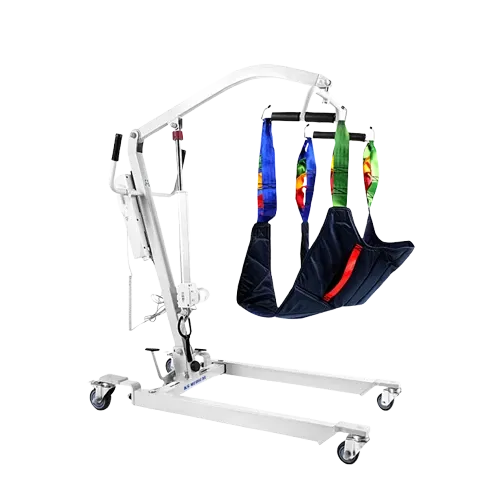
Motorized Patient Hoist / Electric Hoyer Lift with Sling
Patient Lifts

Motorized Patient Hoist / Electric Hoyer Lift with Sling

Heavy-duty electric motorized patient lift hoyer hoist with ergonomic pendant control, foot-pedal adjustable base width, emergency lower stop, and universal padded transfer sling (200kg capacity).

PriceOn Enquiry
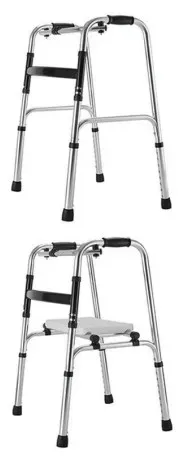
Dual-Armrest Walking Aid with Wheels (Aluminum Alloy)
Mobility Aids

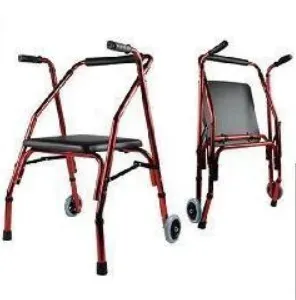
Dual-Armrest Walking Aid with Wheels (Aluminum Alloy)

A professional-grade dual-armrest walking aid with wheels (aluminum alloy) suitable for clinical applications. Specifications: 44 * 53 * (75-92) cm. Made of Aluminum Alloy with Front wheels. Adjustability: Adjustment range 17cm. Maximum bearing capacity: 150KG.

PriceOn Enquiry
Foldable Walking Frame Aid (Carbon Steel)
Mobility Aids

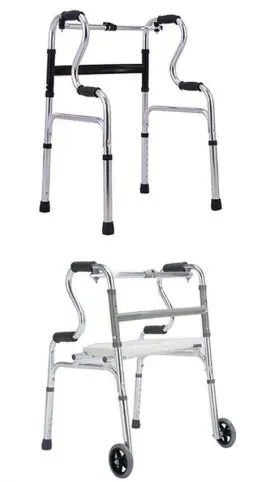
Foldable Walking Frame Aid (Carbon Steel)

A professional-grade foldable walking frame aid (carbon steel) suitable for clinical applications. Specifications: 44 * 53 * (75-92) cm. Made of Aluminum / Carbon Steel with PVC Grips. Adjustability: Adjustment range 17cm. Maximum bearing capacity: 150KG.

PriceOn Enquiry
Adjustable Electric Wheelchair (Carbon Steel)
Mobility Aids

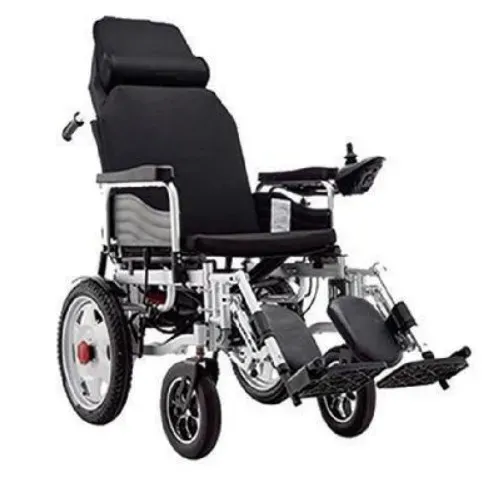
Adjustable Electric Wheelchair (Carbon Steel)

A professional-grade adjustable electric wheelchair (carbon steel) suitable for clinical applications. Specifications: Unfolded: 115 * 68 * 123 cm. Made of Carbon Steel Frame, 24V/12AH Battery. Adjustability: Cruising range 10-15km, Speed 1-6km/h (5-speed), Adjustable seat angle. Maximum bearing capacity: 100KG.

PriceOn Enquiry
Foldable Electric Wheelchair (Carbon Steel)
Mobility Aids

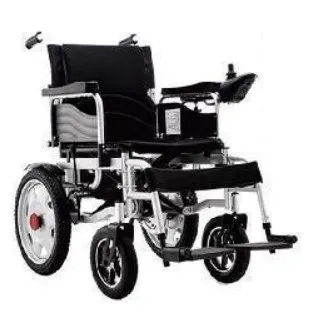
Foldable Electric Wheelchair (Carbon Steel)

A professional-grade foldable electric wheelchair (carbon steel) suitable for clinical applications. Specifications: Unfolded: 113 * 70 * 90 cm. Made of Carbon Steel Frame, 24V/12AH Battery. Adjustability: Cruising range 10-15km, Speed 1-6km/h (5-speed). Maximum bearing capacity: 100KG.

PriceOn Enquiry
Reclining Manual Wheelchair with Commode (Oxford Fabric)
Mobility Aids

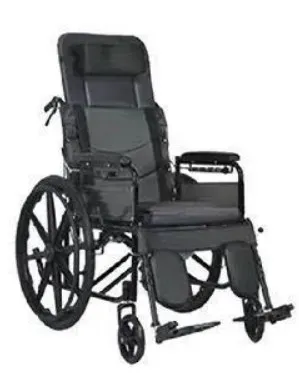
Reclining Manual Wheelchair with Commode (Oxford Fabric)

A professional-grade reclining manual wheelchair with commode (oxford fabric) suitable for clinical applications. Specifications: Unfolded: 68 * 96 * 113 cm, Folded: 90 * 90 * 20 cm. Made of Carbon Steel and Oxford Fabric. Adjustability: 6-speed reclining backrest, Pull-up toilet commode. Maximum bearing capacity: 120KG.

PriceOn Enquiry
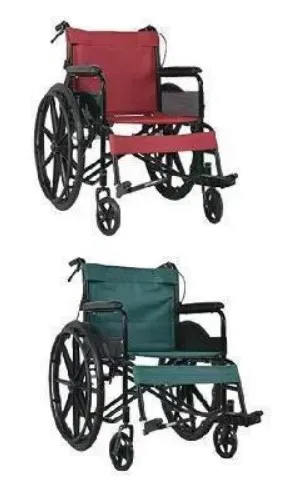
Manual Wheelchair with Leather Fabric (Carbon Steel)
Mobility Aids

Manual Wheelchair with Leather Fabric (Carbon Steel)

A professional-grade manual wheelchair with leather fabric (carbon steel) suitable for clinical applications. Specifications: Unfolded: 66 * 88 * 103 cm, Folded: 92 * 92 * 23 cm. Made of Carbon Steel, Leatherette, Black Integrated Wheels. Maximum bearing capacity: 120KG.

PriceOn Enquiry
Manual Wheelchair with Mesh Oxford Fabric (Carbon Steel)
Mobility Aids

Manual Wheelchair with Mesh Oxford Fabric (Carbon Steel)

A professional-grade manual wheelchair with mesh oxford fabric (carbon steel) suitable for clinical applications. Specifications: Unfolded: 80 * 60 * 88 cm, Folded: 72 * 70 * 23 cm. Made of Carbon Steel, Mesh Oxford Fabric, Gray Wheels. Maximum bearing capacity: 100KG.

PriceOn Enquiry
Compare listed product specifications
Request current availability and catalogues
Ask about warranty, installation, and service
Support for single, replacement, and bulk requirements

Mobility Aids procurement guide

Mobility aid selection depends on user mobility, weight capacity, environment, adjustability, transport needs, accessories, and after-sales support. MedPrax Market helps buyers compare available options and raise an enquiry for suitable configurations.

  • Define whether the requirement is for a hospital, rehabilitation centre, home-care, or outdoor setting.
  • Check weight capacity, seat or frame dimensions, adjustability, brakes, folding, and transport requirements.
  • Ask about replacement parts, maintenance, warranty, accessories, and delivery timelines.

Make the enquiry quote-ready

Share the clinical setting, quantity, delivery city, expected timeline, preferred brands or models, and whether alternatives can be considered. For mobility aids, also ask for the catalogue, technical datasheet, accessories, warranty, installation, training, and service details that apply to the selected configuration.

  • Facility type, department, expected workload, and intended use
  • Quantity, delivery location, procurement timeline, and site readiness
  • Preferred configuration or model, with flexibility on alternatives
  • Documentation, warranty, service, installation, and training expectations

FAQs

Can hospitals request mobility aids in bulk?

Yes. Include the equipment type, quantity, user requirements, delivery location, and preferred configuration in the enquiry.

What should I compare before choosing a wheelchair or rollator?

Compare intended environment, weight capacity, dimensions, adjustability, manoeuvrability, braking, storage, and service support.

Procurement guide

Mobility Aids Procurement Support

Choosing mobility aids for your requirement

Compare wheelchairs, rollators, walking frames, and related mobility equipment for rehabilitation, home care, and clinical use. Request current availability through MedPrax Market. The right choice depends on where the equipment will be used and what problem it must solve. A small clinic, high-volume diagnostic center, ICU, OT, emergency room or distributor tender may require different features, accessories, documentation and service support even within the same category.

When you contact MedPrax, explain the clinical setting, expected workload, quantity, delivery city, timeline and preferred brands or models. If you are replacing an older device, mention the current model and what needs to improve. If you are setting up a new department, include the room count, expected workload and related equipment list.

Information that improves recommendations

These checks help MedPrax understand the requirement: Define whether the requirement is for a hospital, rehabilitation centre, home-care, or outdoor setting. Check weight capacity, seat or frame dimensions, adjustability, brakes, folding, and transport requirements. Ask about replacement parts, maintenance, warranty, accessories, and delivery timelines. They affect daily use, support cost, service planning and long-term reliability.

You do not need every detail finalized before sending an enquiry. Share what you know and flag what is uncertain. MedPrax can then help you clarify the requirement, request catalogues, compare suitable options and discuss alternatives when the preferred model is unavailable or outside budget.

  • Mention whether the equipment is for ICU, OT, diagnostics, OPD, emergency, ward or full setup use.
  • Share quantity, delivery city, timeline and required accessories.
  • Include preferred brands, budget context and whether alternatives are acceptable.
  • Ask for catalogue, datasheet, warranty, documentation and service support details.

Total cost of ownership

The right buying decision is not always the lowest initial quote. Accessories, consumables, installation, calibration, software, replacement parts, preventive maintenance and downtime can change the actual cost of ownership. A slightly higher purchase price may be more practical if it includes better support, faster service response or the accessories needed for immediate use.

For hospitals and institutions, build the approval file around the full operating cost. Include device configuration, technical justification, warranty terms, service expectations and any recurring consumables. This makes internal review easier and helps avoid surprises after the order is placed.

Documentation and service questions

Request manufacturer or supplier details, product catalogue, technical datasheet, warranty terms, installation notes and service coverage. Biomedical teams should also ask about spare availability, preventive maintenance, calibration, downtime escalation and whether user training is included. These questions are especially important for critical care, surgical, diagnostic and emergency equipment.

If the purchase requires compliance review, financing, import planning or institutional approval, mention that in the enquiry. MedPrax can then understand what documentation should be discussed during follow-up instead of treating the request like a simple product lookup.

How MedPrax can help next

Tell MedPrax what you are trying to achieve: a single device purchase, a bulk order, a replacement, a new department setup or a complete equipment list. Include organization type, city, quantity, department, preferred brand, timeline, financing interest if relevant, customs needs if relevant and whether substitutes can be considered.

If the exact product is not listed, send the requirement anyway. MedPrax can review unlisted needs and discuss possible sourcing support based on the equipment category, location, budget context and procurement stage.