Otoscope (Non-Electric)
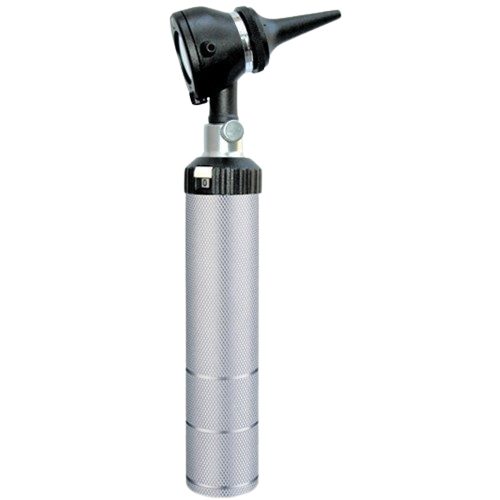
The non-electric otoscope is a manual diagnostic device for examining the external auditory canal and tympanic membrane. It uses magnifying optics and a speculum holder to support otological inspection with reflected or external light.
Product Description
Key Features and Capabilities
The device has a cylindrical metal handle with a knurled grip and a black otoscope head with a tapered speculum port. Its optical pathway supports direct viewing through the magnifying lens while the clinician uses a head mirror or external lamp for illumination. The construction is simple and durable, with no battery compartment, bulb housing, or electrical wiring. Disassembled components support autoclaving for infection control in clinical practice.
Diagnostic Performance
The optical system supports magnified assessment of cerumen, foreign bodies, canal edema, erythema, discharge, and other external ear findings. It also supports evaluation of tympanic membrane integrity, translucency, colour, retraction, and effusion during ear examination.
Clinical Applications
This instrument is used in ENT, otolaryngology, pediatrics, general practice, and emergency medicine. It supports routine ear examination, diagnosis of otitis media, assessment of ear pain, and bedside inspection for foreign bodies or trauma. It also supports teaching demonstrations and outpatient follow-up examinations. The manual format suits settings that require dependable otological examination without electrical dependence.
Connectivity and Data Integration
This device does not generate digital output, network data, or wireless transmission. Findings are recorded manually in the chart or electronic medical record after direct visual examination, and the instrument works with external illumination for clear bedside use.
Technical Specifications
The instrument is hand-held, manually operated, and built with a metal handle and detachable head assembly. It requires no mains power, batteries, or charging accessories. For the United States, supply and documentation align with FDA, 510(k), CE, ISO 13485, HIPAA, and local import, warranty, installation, and service documentation expectations.
Recommended Settings
This otoscope is suited to primary care clinics, ENT practices, pediatric offices, emergency departments, urgent care centers, and teaching hospitals. It also supports rural clinics and field environments where a manual ear diagnostic tool is preferred.
Summary
This instrument provides magnified otological inspection without electrical components or battery dependence. It is available through MedPrax Market.
Specifications
| Parameter | Specification |
|---|---|
| Classification | Diagnostic Equipment |
| Clinical Applications | ENTOtolaryngologyGeneral PracticePediatricsEmergency Medicine |
| Detailed Specs | The non-electric otoscope is a manual diagnostic instrument for visual inspection of the external auditory canal and tympanic membrane. It consists of a conical speculum holder, a magnifying lens (typically 2× to 3× magnification), and a light-channelling pathway designed to work with reflected light from a head mirror or an external lamp. The speculum—available in several sizes—is inserted into the ear canal while the clinician views through the magnifying lens to assess the canal for cerumen, foreign bodies, inflammation, or infection, and to evaluate tympanic membrane integrity, colour, translucency, and the presence of effusion or retraction. Unlike battery-powered models, the non-electric otoscope has no bulbs to replace and no batteries to deplete, making it exceptionally reliable in field clinics, rural health posts, and teaching hospitals. It is fully autoclavable when disassembled and pairs well with a standard medical head mirror for shadow-free, hands-free illumination. |
Need Procurement Support?
Not sure about technical sizing or site planning? MedPrax can help identify and supply suitable equipment — including financing assistance and customs support.
Related Diagnostic Equipment
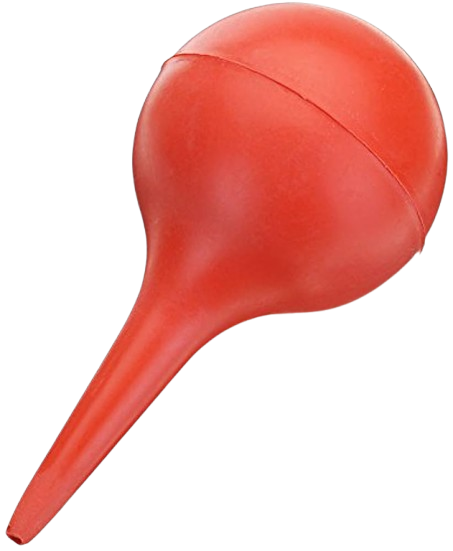
Manual Ear Syringe (Bulb Type)
A rubber or silicone bulb syringe with a smooth, flanged ear tip designed for the gentle irrigation of the external auditory canal with warm water or saline solution to remove impacted cerumen (earwax). The bulb generates a controlled stream of irrigating fluid when compressed, and the flanged tip prevents excessive insertion depth, reducing the risk of tympanic membrane injury.
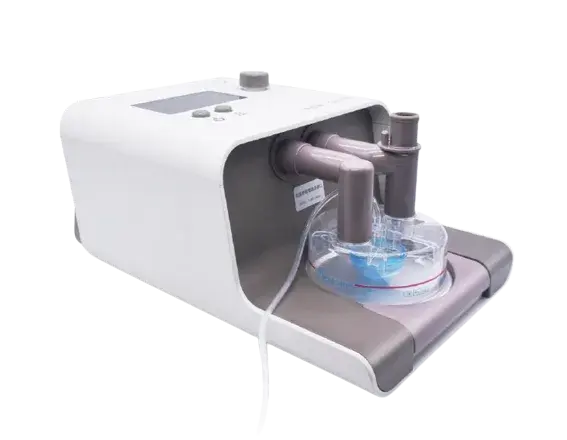
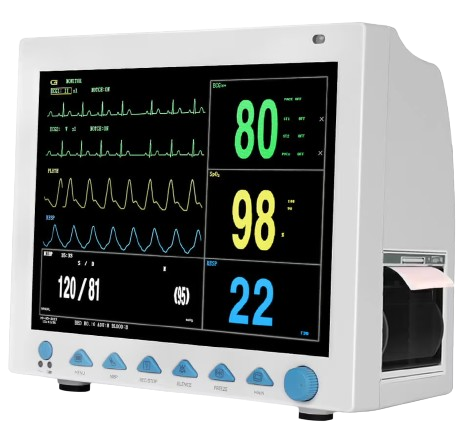
Patient Monitor
Medical device for monitoring patient vital signs in ICU, OT and ward settings