MedPrax Market

Medical device comparison

ICU Ventilator vs Transport Ventilator

Compare ICU ventilators and transport ventilators for critical care, emergency movement, ambulance use, battery backup, modes, and monitoring.

Browse related devices
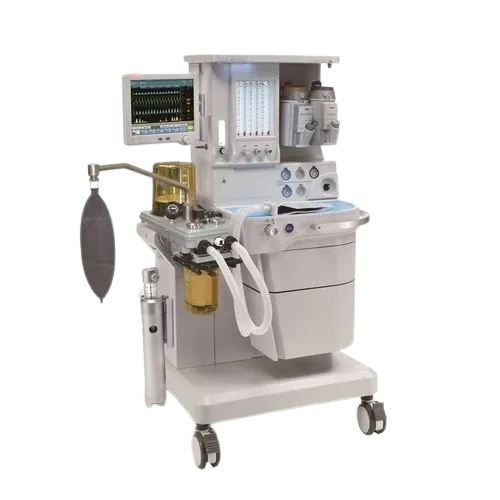
Anesthesia Workstation with Integrated Ventilator and Dual Vaporizers
Anesthesia Workstations

Anesthesia Workstation with Integrated Ventilator and Dual Vaporizers

An anesthesia workstation listing with an integrated ventilator and two vaporizers. The exact gas configuration, ventilation modes, monitoring functions, vaporizer compatibility, breathing circuit and included accessories are not specified. Confirm each item against the offered model and manufacturer documentation.

Price
On Enquiry
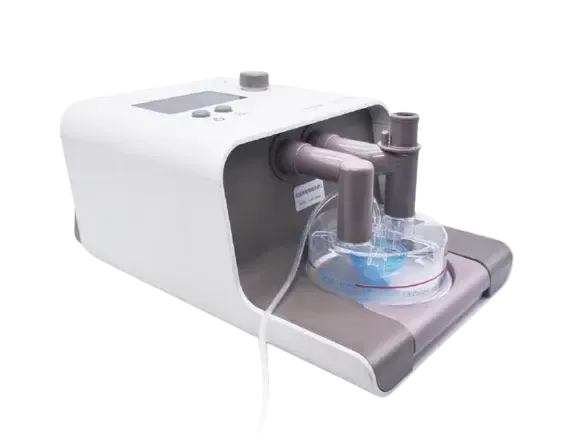
BIPAP Machine
BIPAP Machines

BIPAP Machine

A bilevel positive airway pressure machine provides respiratory support using separate pressure levels for inhalation and exhalation. The two-pressure approach assists ventilation through an appropriate patient interface. It supports prescribed non-invasive respiratory therapy, with operating modes and interface selection matched to the clinical requirement.

Price
On Enquiry
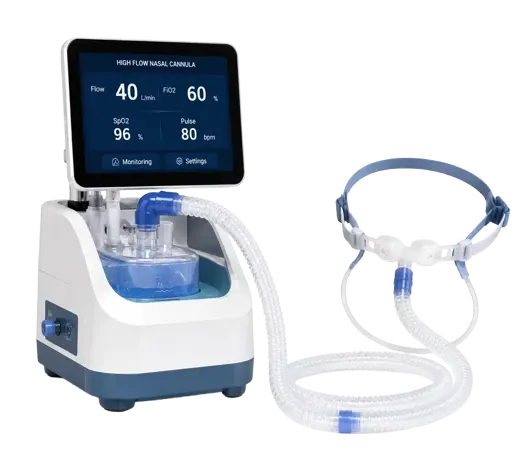
High-Flow Nasal Cannula (HFNC) Respiratory System
Respiratory Care

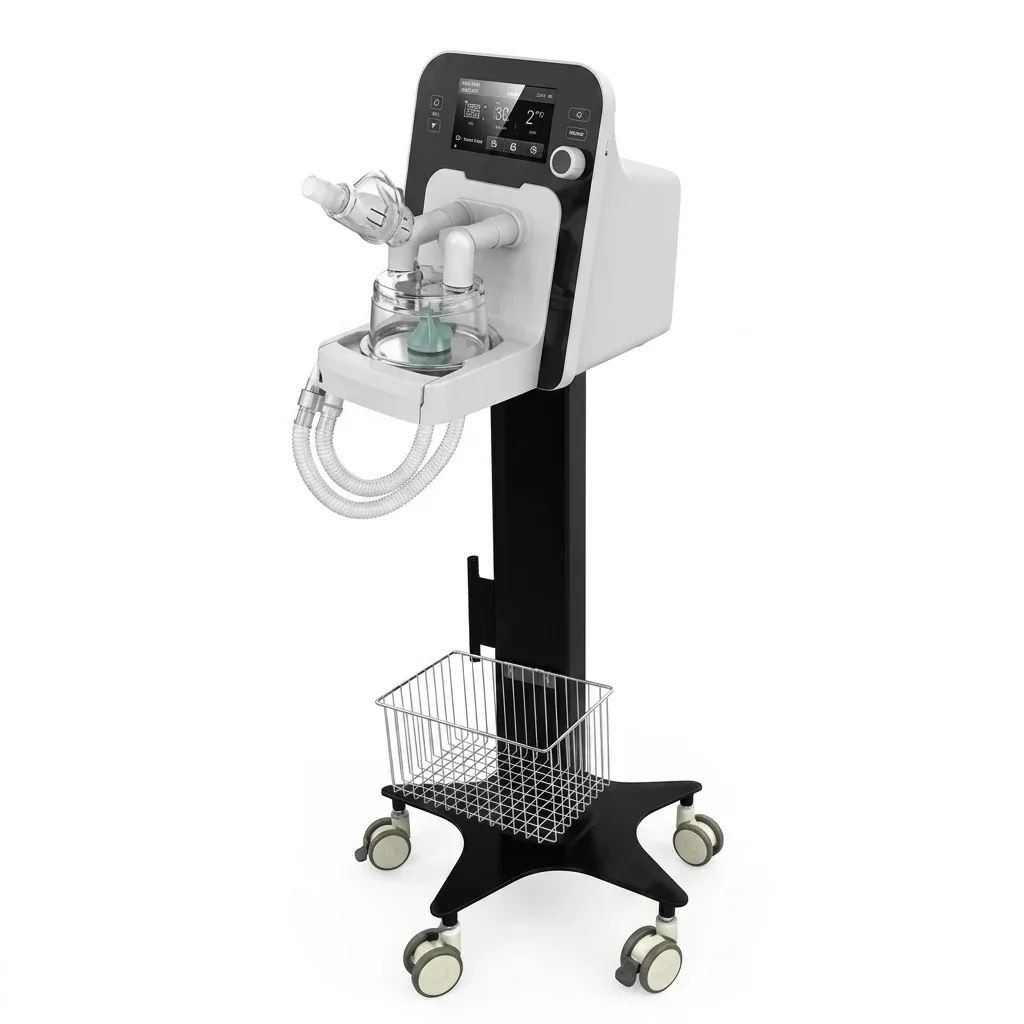
High-Flow Nasal Cannula (HFNC) Respiratory System

A high-flow nasal cannula respiratory system combines electronic air-oxygen blending, active humidification and oxygen-concentration regulation. The listing specifies a flow range of 2–70 L/min. It supplies a controlled air-oxygen mixture through a nasal interface with humidification for prescribed respiratory therapy.

Price
On Enquiry
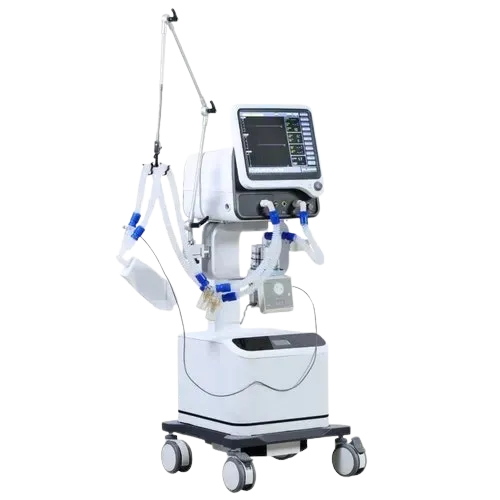
Ventilator
Ventilators

Ventilator

A ventilator provides mechanical respiratory support for patients who require assistance with breathing. This listing covers equipment for invasive and non-invasive ventilation workflows. The selected system is matched to the clinical requirements, available ventilation modes and intended patient interfaces.

Price
On Enquiry
Adult and Pediatric ICU Ventilator, 5–150 Breaths/min
Ventilators

Adult and Pediatric ICU Ventilator, 5–150 Breaths/min

This ICU ventilator listing is intended for adult and pediatric respiratory-support workflows. A ventilator assists breathing by controlling gas delivery through an appropriate patient circuit. The selected operating modes, patient-size limits and monitoring functions need to match the clinical requirements of the intensive-care service.

Price
On Enquiry

Priority Procurement

Comparison content is designed for procurement shortlisting, not clinical advice.
Request current catalogues, warranty terms, and documentation before purchase.
MedPrax can help compare brands, configurations, accessories, and service support.
Use enquiry details to clarify department, quantity, delivery city, and timeline.

ICU ventilator vs Transport ventilator: quick answer

ICU ventilator and Transport ventilator solve different procurement needs. The right option depends on clinical workflow, patient volume, infrastructure, accessories, maintenance, and service support.

Side-by-side comparison

Use this table to compare the two products before asking about availability and current commercial terms.

FactorICU ventilatorTransport ventilator
Primary useBedside invasive or non-invasive critical carePatient movement, ambulance, emergency transfer
Power and oxygenDesigned for ICU supply and longer useBattery backup and compact oxygen workflow are critical
Modes and monitoringBroader modes, alarms, humidification, and monitoring integrationEssential ventilation modes with portability focus
Procurement noteCheck service, training, accessories, and installationCheck battery, mounting, oxygen compatibility, ruggedness

How MedPrax can help

Send an enquiry with your product type, department, quantity, delivery location, preferred brands, installation needs, and timeline. MedPrax can then help with product options and documentation.

FAQs

Which is better: ICU ventilator or Transport ventilator?

There is no universal better option. The right choice depends on clinical use, department workflow, total cost, accessories, service support, and installation requirements.

Can MedPrax compare multiple brands?

Yes. Share your required features, preferred brands, budget context, and delivery city so MedPrax can discuss suitable options and alternatives.

Can I ask about pricing from this comparison page?

Yes. Use the enquiry button and include the comparison context, quantity, department, location, and timeline.

Procurement guide

ICU Ventilator vs Transport Ventilator Procurement Support

Need help sourcing icu ventilator vs transport ventilator?

Finding the right icu ventilator vs transport ventilator can be difficult when specifications, pricing, compliance expectations, installation needs and supplier options vary from one requirement to another. A hospital adding ICU capacity, a clinic starting diagnostics, a distributor serving a tender and a procurement manager replacing old equipment may all need a different shortlist.

Tell MedPrax what you are trying to achieve: the device or department, quantity, delivery city, expected timeline, preferred brands if any, and whether installation, training or documentation support is required. If the requirement is part of a wider setup, share the room count, bed count or department list so the sourcing conversation starts with the full picture.

What affects the right recommendation

A strong recommendation depends on more than the product name. MedPrax needs to understand the clinical use, workload, configuration, accessory list, consumables, warranty expectations, installation readiness, service support and documentation needs. A monitor, ventilator, ultrasound machine or surgical system may also require sensors, probes, mounts, cables, software, trolleys, calibration or user training before it can be used confidently.

For this requirement, related procurement areas may include Ventilators. If these products will be used in the same department, share them together. That helps MedPrax suggest options that fit the workflow instead of treating each device as a separate purchase.

  • Share the facility type, department and expected patient workload.
  • Mention required quantity, delivery location and procurement timeline.
  • List preferred brands or models, but say whether alternatives can be considered.
  • Include installation, training, warranty and documentation expectations early.

Get quote-ready before follow-up

Before comparing quotes, ask what is included with the device and what must be purchased separately. Request the catalogue, technical datasheet, accessory list, warranty terms, delivery timeline and service coverage. For ICU, OT, diagnostic, emergency or ward use, also discuss room readiness, power requirements, mounting, calibration, training and preventive maintenance.

Institutional purchases often need more than a commercial quote. Procurement and biomedical teams may require supplier details, manufacturer information, compliance documents where applicable, tax documents, warranty notes and technical comparison support. Sharing those needs early helps MedPrax prepare a more useful response.

Delivery, installation and local support

Delivery location changes the sourcing plan. A buyer in a metro city may care most about fast installation and service response, while a buyer in another region or country may need shipment documentation, customs support and landed-cost clarity. Share the destination city and country even if you are still comparing options.

This requirement is commonly connected with hospital, clinic and diagnostic workflows. If the equipment belongs to a department setup, send the department context rather than only one product name. ICU requirements may involve monitors, ventilators, respiratory support, beds and emergency devices; OT requirements may involve lights, tables, anesthesia, instruments and sterilization workflow.

Start with the problem you need solved

A useful MedPrax enquiry can be simple: "We need 10 patient monitors for Nagpur," "We are setting up a dialysis center," "We need a ventilator within this budget," or "Which ECG machine should we buy for a clinic?" Those situations give MedPrax the context needed to suggest practical next steps.

Buyers searching for icu ventilator vs transport ventilator usually want availability, product fit and a reliable sourcing path. The more complete the first enquiry is, the easier it is to discuss catalogues, suitable models, accessories, warranty, documentation and procurement coordination without repeated clarification.