
Bedside equipment and patient support
Build the schedule by bed and care area, but let the facility team decide quantities and configuration. Record which items are assigned to each bed, shared between beds or held as backup.
Monitoring and bedside diagnostics
Define the monitoring workflow with the clinical and biomedical teams. Compare the exact configuration and accessories rather than relying on a generic feature list.
Respiratory and airway support
Match equipment to the facility’s approved patient groups and respiratory-care model. Confirm compatible circuits, humidification, accessories and backup arrangements with the responsible team.
Infusion, emergency and transport equipment
List equipment that supports medication delivery, urgent response and safe movement through the unit. Quantities and device types should follow local protocols and the facility’s approved operating plan.
Shared systems, room readiness and integration
A device list is only one part of setup. Before ordering, map the room, utilities, network, delivery access and installation dependencies with the relevant facility teams and suppliers.
Supplier quote and lifecycle-cost checks
Request comparable, itemized quotations from the named sellers. Keep confirmed values separate from estimates and record what is excluded.
Available Sourcing Catalog
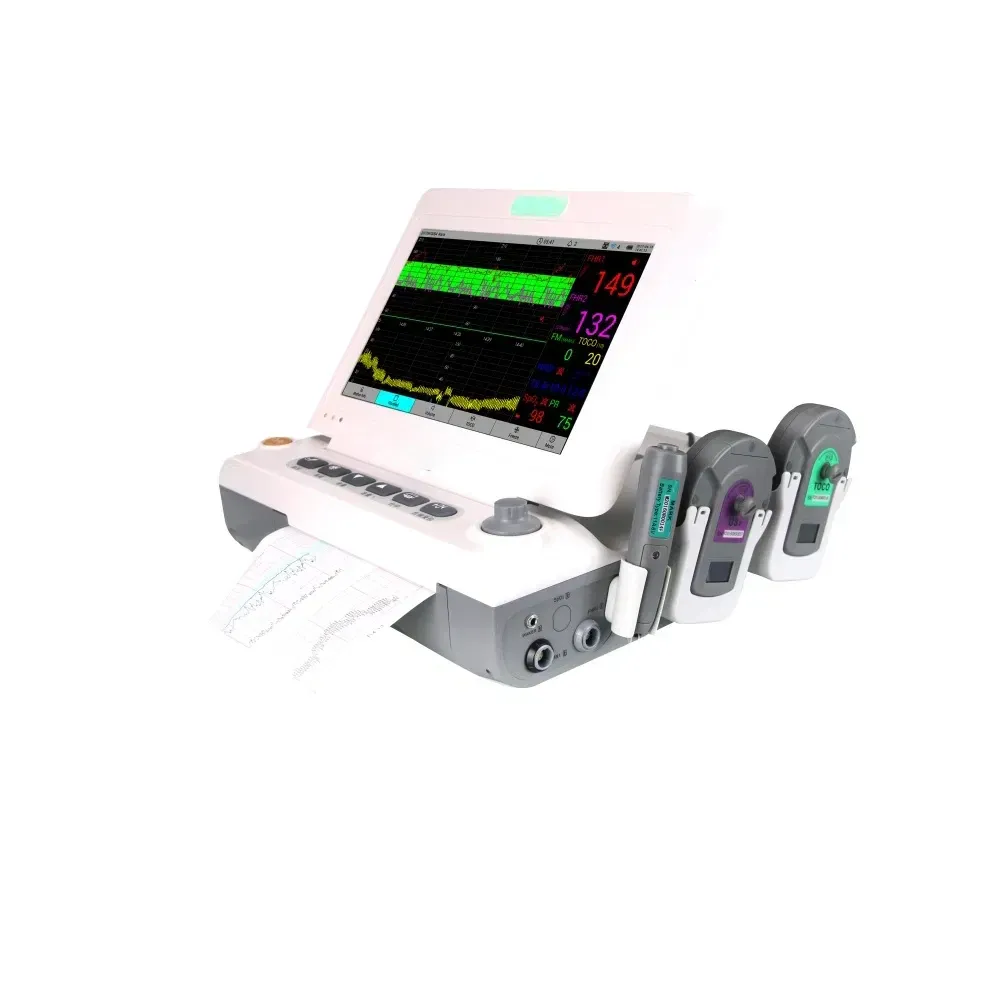
Multi Parameter Patient Monitor Maternal Monitor Fetal Monitor
A multiparameter patient monitor displays physiological measurements for observation of patient status. It supports monitoring workflows in clinical areas where staff need to review several measurements together. This listing references maternal and fetal monitoring in its title, so the required patient-monitoring or obstetric configuration should be established for the selected model.
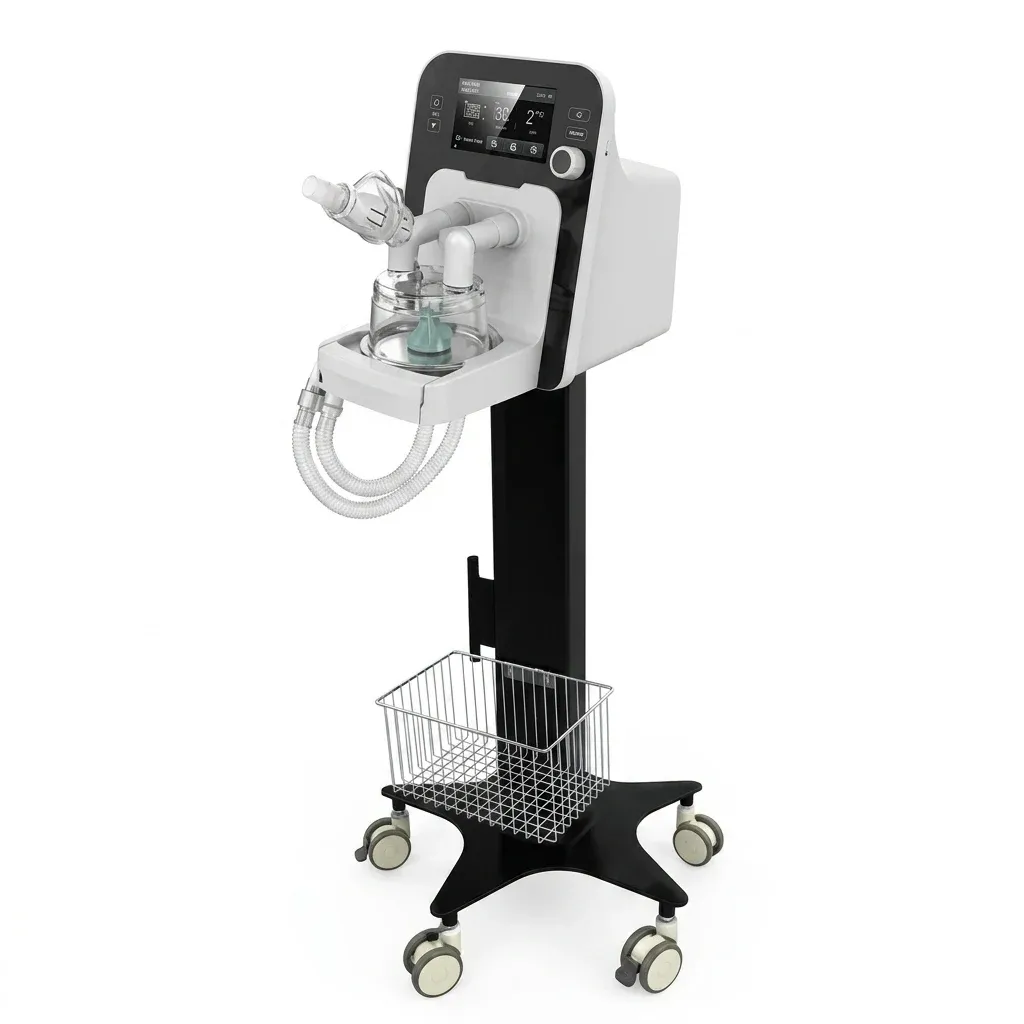
Adult & Pediatric ICU Ventilator Machine Respiratory Rate: 5-150 Breadths Tidal Volume: 3000ml
This ICU ventilator listing is intended for adult and pediatric respiratory-support workflows. A ventilator assists breathing by controlling gas delivery through an appropriate patient circuit. The selected operating modes, patient-size limits and monitoring functions need to match the clinical requirements of the intensive-care service.
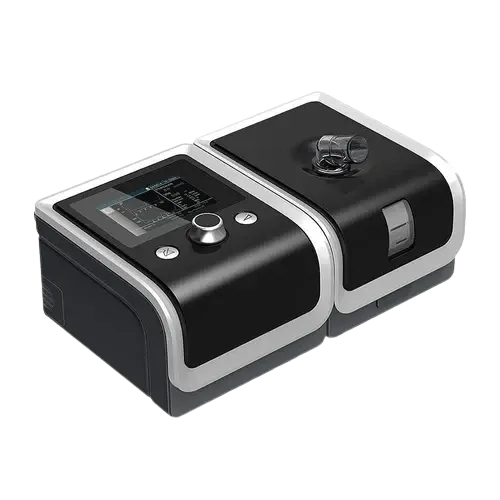
Auto CPAP & BiPAP Pro Machine with Heated Humidifier
An Auto CPAP and BiPAP positive airway pressure system combines a heated humidifier with pressure-relief, ramp and SD-card data-recording functions. It provides positive airway pressure through a compatible interface for prescribed respiratory therapy.
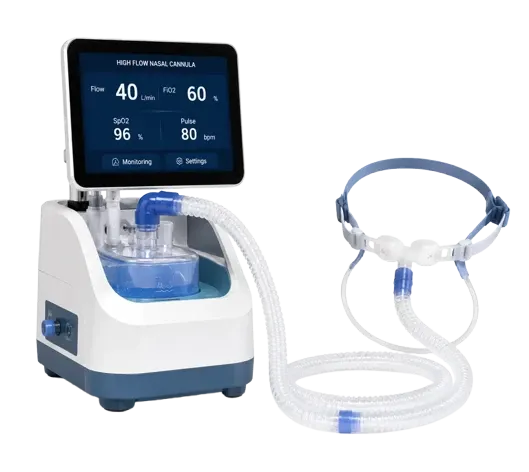
High-Flow Nasal Cannula (HFNC) Respiratory System
A high-flow nasal cannula respiratory system combines electronic air-oxygen blending, active humidification and oxygen-concentration regulation. The listing specifies a flow range of 2–70 L/min. It supplies a controlled air-oxygen mixture through a nasal interface with humidification for prescribed respiratory therapy.
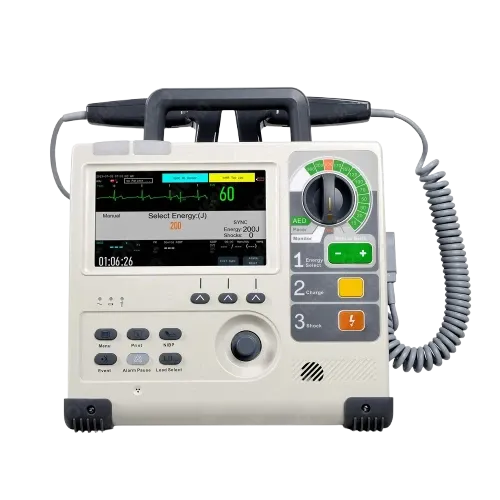
Biphasic Defibrillator Monitor with AED & External Pacing
The listed configuration is a biphasic defibrillator monitor with manual defibrillation, automated external defibrillator (AED) mode, synchronized cardioversion, transcutaneous external pacing, and 7-inch color display. It combines rhythm observation and electrical therapy functions for emergency cardiac-care workflows.
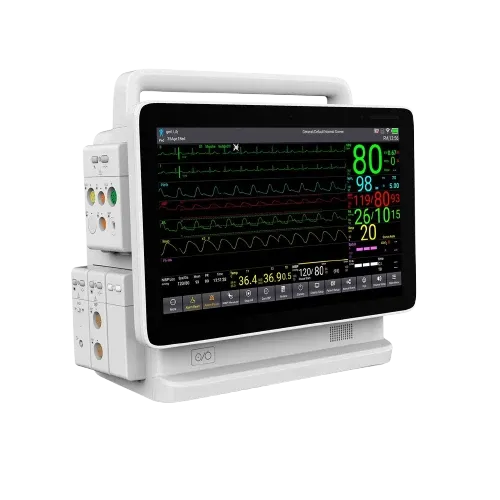
Modular High-End ICU Patient Monitor with Capnography (EtCO2)
The listed configuration is a modular ICU patient monitor with plug-and-play parameter slots, sidestream/mainstream EtCO2 capnography, dual invasive blood pressure (IBP), and 15-inch high-resolution touchscreen. The modular format supports configuration of monitoring parameters for intensive-care observation.
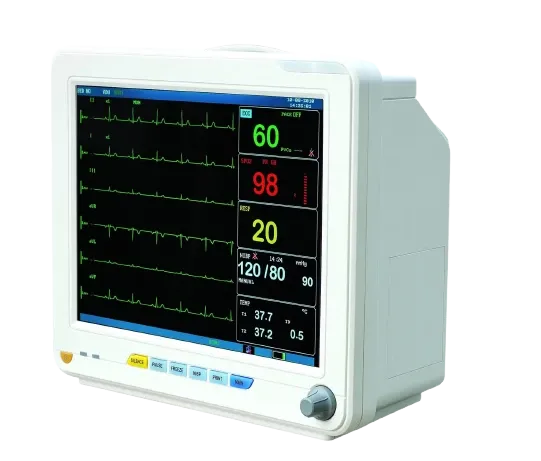
5-Parameter Multipara Patient Monitor (12.1" Display)
The listed configuration is a comprehensive 12.1-inch color TFT multi-parameter patient monitor offering continuous real-time ECG, SpO2, NIBP, Respiration, and Dual Temperature tracking with arrhythmia analysis. It displays physiological measurements together for observation and clinical review of patient status.
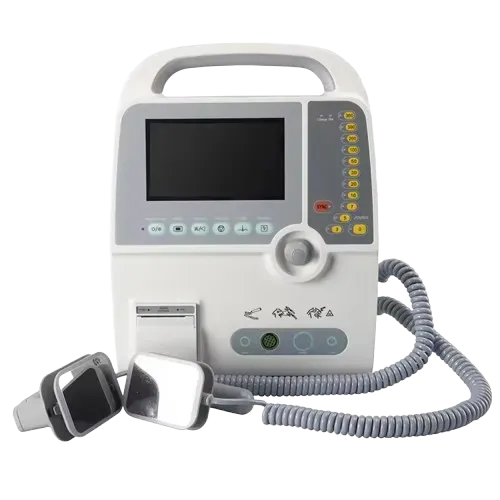
Defibrillator
A defibrillator delivers controlled electrical therapy as part of emergency cardiac care. It is used in resuscitation workflows where the required rhythm assessment and therapy functions must be available. The selected system and accessories are matched to the clinical setting and the intended defibrillation configuration.
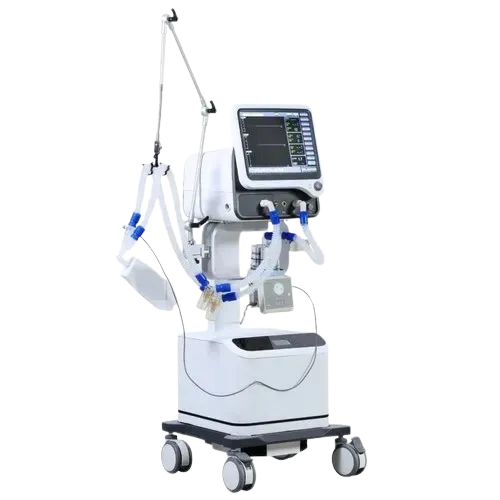
Ventilator
A ventilator provides mechanical respiratory support for patients who require assistance with breathing. This listing covers equipment for invasive and non-invasive ventilation workflows. The selected system is matched to the clinical requirements, available ventilation modes and intended patient interfaces.
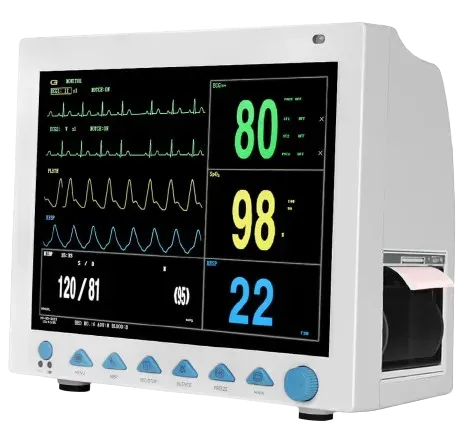
Patient Monitor
A patient monitor displays physiological measurements for observation of patient status. This listing covers monitoring equipment for intensive care, operating theatres and hospital wards. The available measurements and accessories depend on the selected configuration and the department monitoring requirements.
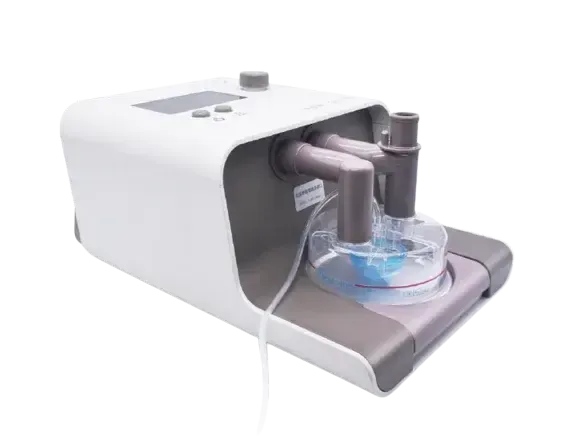
BIPAP Machine
A bilevel positive airway pressure machine provides respiratory support using separate pressure levels for inhalation and exhalation. The two-pressure approach assists ventilation through an appropriate patient interface. It supports prescribed non-invasive respiratory therapy, with operating modes and interface selection matched to the clinical requirement.
Frequently Asked Questions
Start with bedside support, patient monitoring, respiratory support, infusion, emergency response, shared diagnostics, utilities and integration. The facility’s clinical and biomedical teams should approve the exact models and quantities for its care model.
There is no universal quantity that suits every ICU. Determine the schedule from the approved bed count, patient groups, care model, backup plan, applicable requirements and the facility’s clinical workflows.
Confirm the exact model and included accessories, destination electrical compatibility, applicable local documentation, installation prerequisites, commissioning and training, warranty, local service, spare parts and recurring consumables.
Share the destination country and city, planned services and bed count, intended patient groups, requested quantities, required configuration, preferred delivery timeline, installation and training needs, and any applicable market-specific documentation requirements.
Sourcing Enquiry
For hospitals and procurement teams defining an ICU equipment schedule or comparing supplier quotations for a new unit or expansion.
Sourcing Security
- Confirm the named seller and exact model for each quotation
- Check destination-market documentation before purchase
- Agree commissioning, service and warranty terms in writing
- Separate included accessories from items quoted separately