

Separate the equipment list from the sourcing plan
An ICU equipment schedule should reflect the facility's approved care model, bed count, patient groups and site—not a universal device bundle. This article focuses on turning that schedule into comparable supplier quotations and a workable delivery and support plan.
For the department-by-department equipment checklist, use the ICU equipment list and setup guide. Here, the focus is how to specify, compare and verify the purchase.
1. Define the schedule with the facility team
Before requesting prices, confirm the approved requirements with clinical, biomedical engineering, facilities, IT and procurement teams. Separate items assigned to each bed from shared equipment, transport equipment, backup units and room infrastructure.
Common groups to schedule include:
- beds, mattresses and bedside utility equipment;
- patient monitors and shared diagnostic equipment;
- ventilators and other respiratory-support equipment;
- infusion equipment and compatible consumables;
- emergency-response and transport equipment; and
- power, networking, installation and training requirements.
These categories are a planning prompt, not a clinical recommendation or a fixed quantity formula. The facility's qualified team should define the final list and intended use.
2. Make the request for quotation specific
Give each supplier the same brief so that prices can be compared fairly. Include:
- destination country, city and delivery location;
- requested equipment type, quantity and configuration;
- patient groups and intended workflow as approved by the facility;
- required accessories, mounts, probes, circuits or other consumables;
- installation, commissioning and user-training scope;
- target delivery date and site-readiness constraints; and
- applicable product documentation or local requirements identified by the responsible importer.
Ask the seller to identify the manufacturer, exact model and configuration, named seller, included items and exclusions. If the supplier proposes an alternative, require a separate line with a model-specific specification rather than comparing a vague substitute against the requested item.
3. Verify model details and destination compatibility
Check the offered product, not just a brochure for its product family. Confirm the model identity, configuration, software, accessories, warranty and service route in writing.
For electrical devices, ask the supplier to confirm the exact model's input voltage, frequency, plug and backup-power compatibility for the destination facility. Do not assume that 220 V or any other single supply specification applies to every buyer, country or model.
For cross-border sourcing, confirm the product and importer documents that apply in the destination market with the responsible local authority or qualified importer. A certificate from another country should not be treated as a substitute for this check.
4. Compare service and lifecycle cost
An ICU device quote should make the support plan visible. Compare:
- warranty duration, start date, exclusions and service response terms;
- availability of local service personnel and replacement parts;
- preventive maintenance and calibration responsibilities;
- compatible consumables, software licenses and accessory costs;
- installation, commissioning, training and acceptance documentation; and
- freight, insurance, duties, taxes and other delivery costs.
Separate confirmed charges from estimates and exclusions. For critical equipment, ask what happens if the model cannot be repaired locally or a required part is unavailable; record the supplier's answer instead of assuming support.
5. Agree delivery and acceptance before dispatch
Assign responsibility for site preparation, delivery, installation, training, commissioning and acceptance. Confirm that the serial-numbered unit and included accessories match the purchase documents. Define checks against the manufacturer's instructions and the facility-approved specification, and document any outstanding work before sign-off.
A compact handover checklist should cover:
- correct manufacturer, model, configuration and accessories;
- destination electrical and facility compatibility;
- installation and commissioning records;
- user and biomedical-engineering training;
- warranty start date, service contact and escalation path; and
- consumables, replacement parts and maintenance schedule.
A supplier comparison checklist
| Area | Questions to resolve |
|---|---|
| Fit | Does the exact offered model match the approved specification? |
| Scope | Which accessories, software, installation and training are included? |
| Destination | Which documents and import responsibilities apply to this product and market? |
| Support | Who provides local service, parts, maintenance and warranty response? |
| Total cost | Which one-time and recurring costs are confirmed, estimated or excluded? |
| Handover | What commissioning and acceptance evidence will the facility receive? |
You can review ICU equipment categories, browse the medical equipment catalogue, and use the ICU equipment list guide to keep the facility schedule separate from the supplier comparison.
Frequently asked questions
What should an ICU equipment procurement checklist include?
Include the approved equipment schedule, exact models and configurations, accessories and consumables, destination compatibility, market-specific documents, installation, training, warranty, service and total cost. The clinical and biomedical teams should approve the equipment mix and quantities.
How many monitors, ventilators or pumps does each ICU bed need?
There is no universal ratio for every ICU. Determine quantities from the facility's patient groups, care model, coverage, backup plan and applicable requirements; have the clinical and biomedical engineering teams approve the schedule.
What should be checked for a global ICU equipment purchase?
Confirm the named seller, exact model, destination-market documentation, electrical compatibility for the installation site, itemized delivery costs, commissioning, warranty, local service and recurring consumables before committing.
What information helps a supplier prepare a useful quotation?
Share the destination, requested model or configuration, quantity, intended workflow, required accessories, delivery timing, site constraints, installation and training scope, and the support terms the facility requires.
Related products
Browse products related to the equipment referenced in this article.
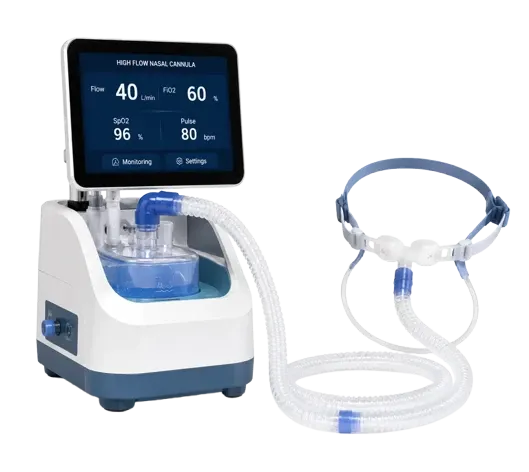
High-Flow Nasal Cannula (HFNC) Respiratory System
A high-flow nasal cannula respiratory system combines electronic air-oxygen blending, active humidification and oxygen-concentration regulation. The listing specifies a flow range of 2–70 L/min. It supplies a controlled air-oxygen mixture through a nasal interface with humidification for prescribed respiratory therapy.
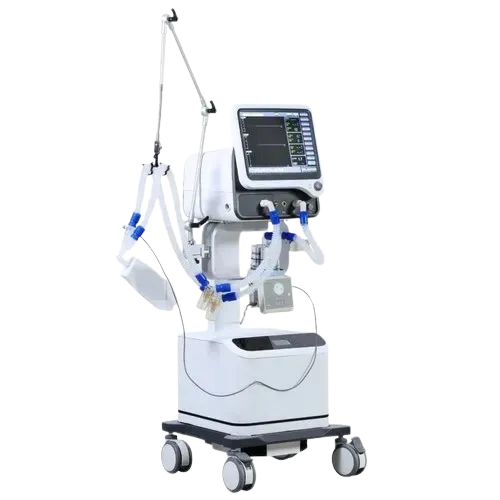
Ventilator
A ventilator provides mechanical respiratory support for patients who require assistance with breathing. This listing covers equipment for invasive and non-invasive ventilation workflows. The selected system is matched to the clinical requirements, available ventilation modes and intended patient interfaces.
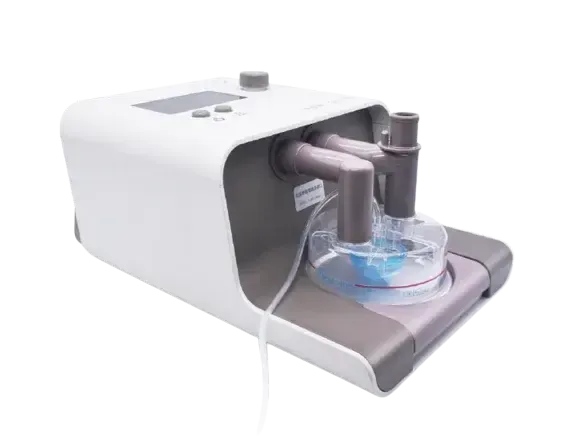
BIPAP Machine
A bilevel positive airway pressure machine provides respiratory support using separate pressure levels for inhalation and exhalation. The two-pressure approach assists ventilation through an appropriate patient interface. It supports prescribed non-invasive respiratory therapy, with operating modes and interface selection matched to the clinical requirement.
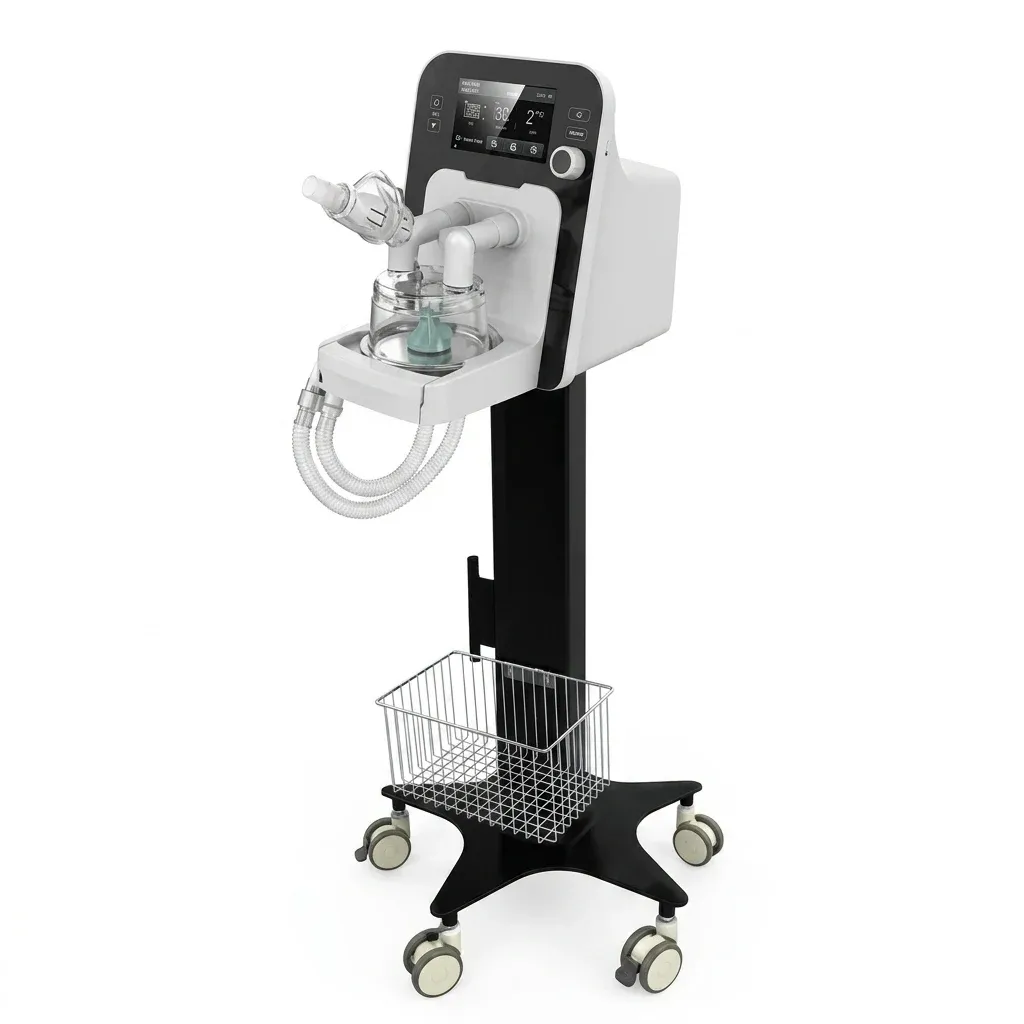
Adult and Pediatric ICU Ventilator, 5–150 Breaths/min
This ICU ventilator listing is intended for adult and pediatric respiratory-support workflows. A ventilator assists breathing by controlling gas delivery through an appropriate patient circuit. The selected operating modes, patient-size limits and monitoring functions need to match the clinical requirements of the intensive-care service.