
ICU and Critical Care Equipment Available for Mumbai
MedPrax currently lists 57 icu and critical care products from 1 brand that can be quoted for delivery to Mumbai. Listed prices are the supplier's starting price; freight, duties and installation for Mumbai are confirmed in the quote.
| Category | Products | Brands | Lowest listed price |
|---|---|---|---|
| Hospital Beds | 20 | MedPrax | On enquiry |
| Critical Care | 11 | MedPrax | On enquiry |
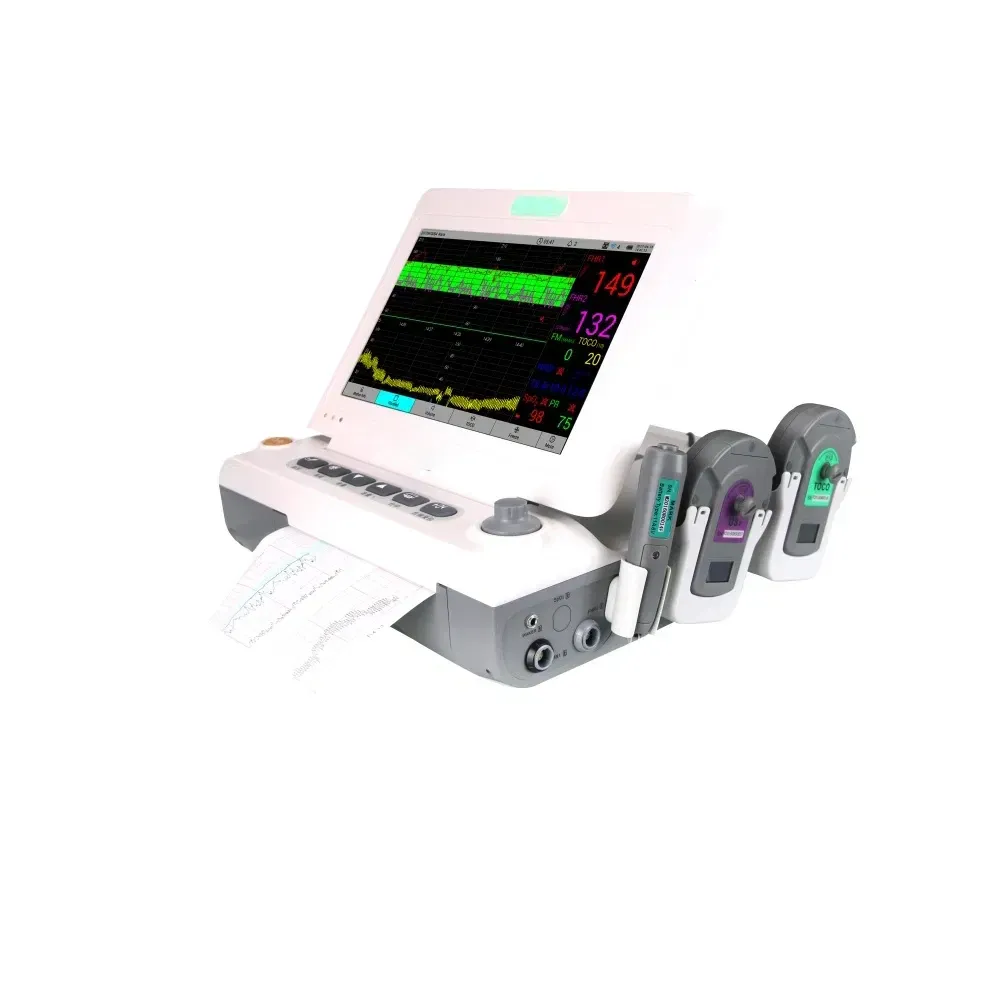
| Patient Monitors | 4 | MedPrax | On enquiry |
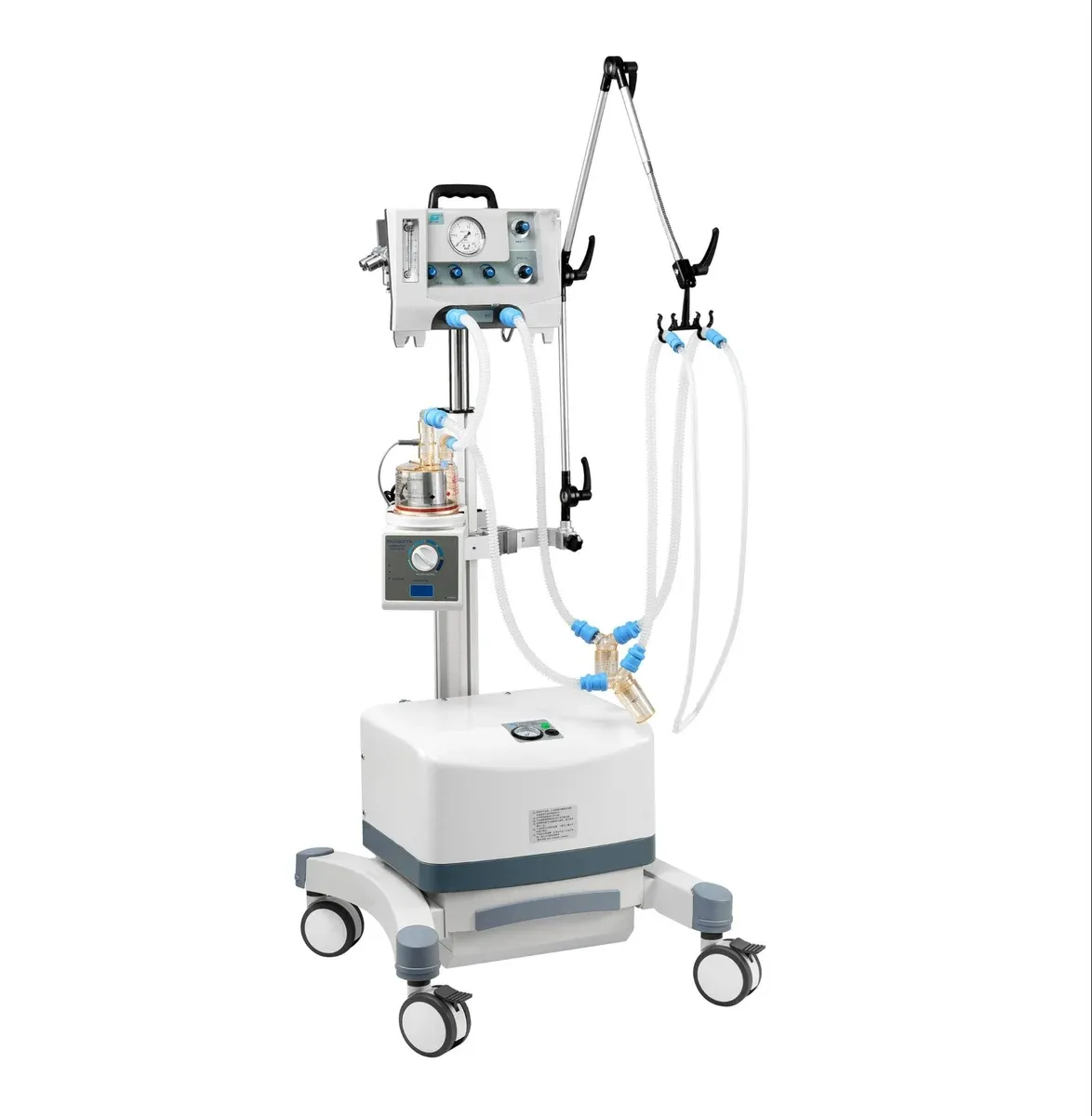
| Ventilators | 4 | MedPrax | On enquiry |
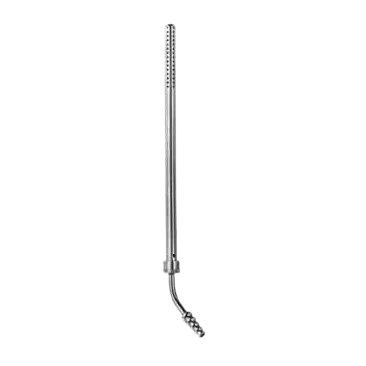
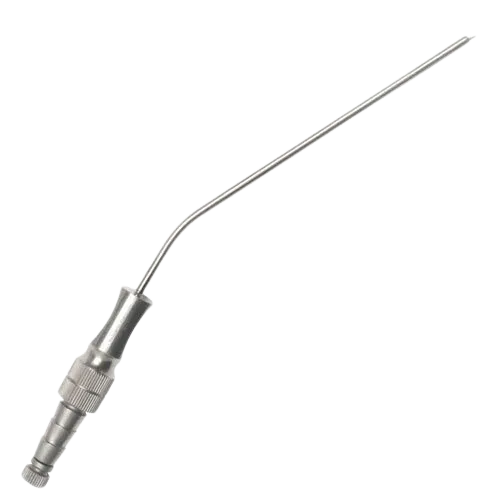
| Surgical Instruments | 3 | MedPrax | On enquiry |
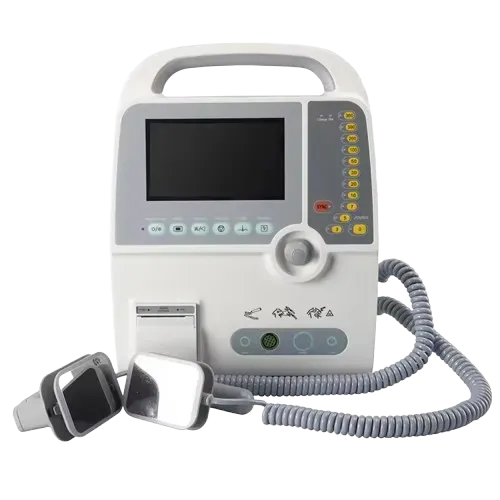
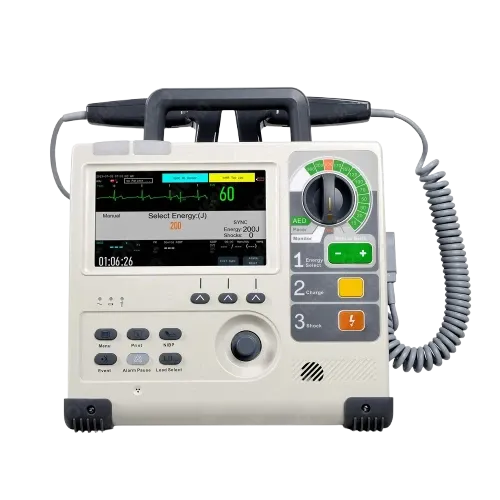
| Defibrillators | 2 | MedPrax | On enquiry |
| BiPAP Machines | 1 | MedPrax | On enquiry |
| Crash Carts | 1 | MedPrax | On enquiry |
| ECG Machines | 1 | MedPrax | On enquiry |
| Handheld Ultrasound | 1 | MedPrax | On enquiry |
| ICU Equipment | 1 | MedPrax | On enquiry |
| Laryngoscopy | 1 | MedPrax | On enquiry |
| Medical Furniture | 1 | MedPrax | On enquiry |
| Nebulizers | 1 | MedPrax | On enquiry |
| Oxygen Concentrators | 1 | MedPrax | On enquiry |
| Patient Care | 1 | MedPrax | On enquiry |
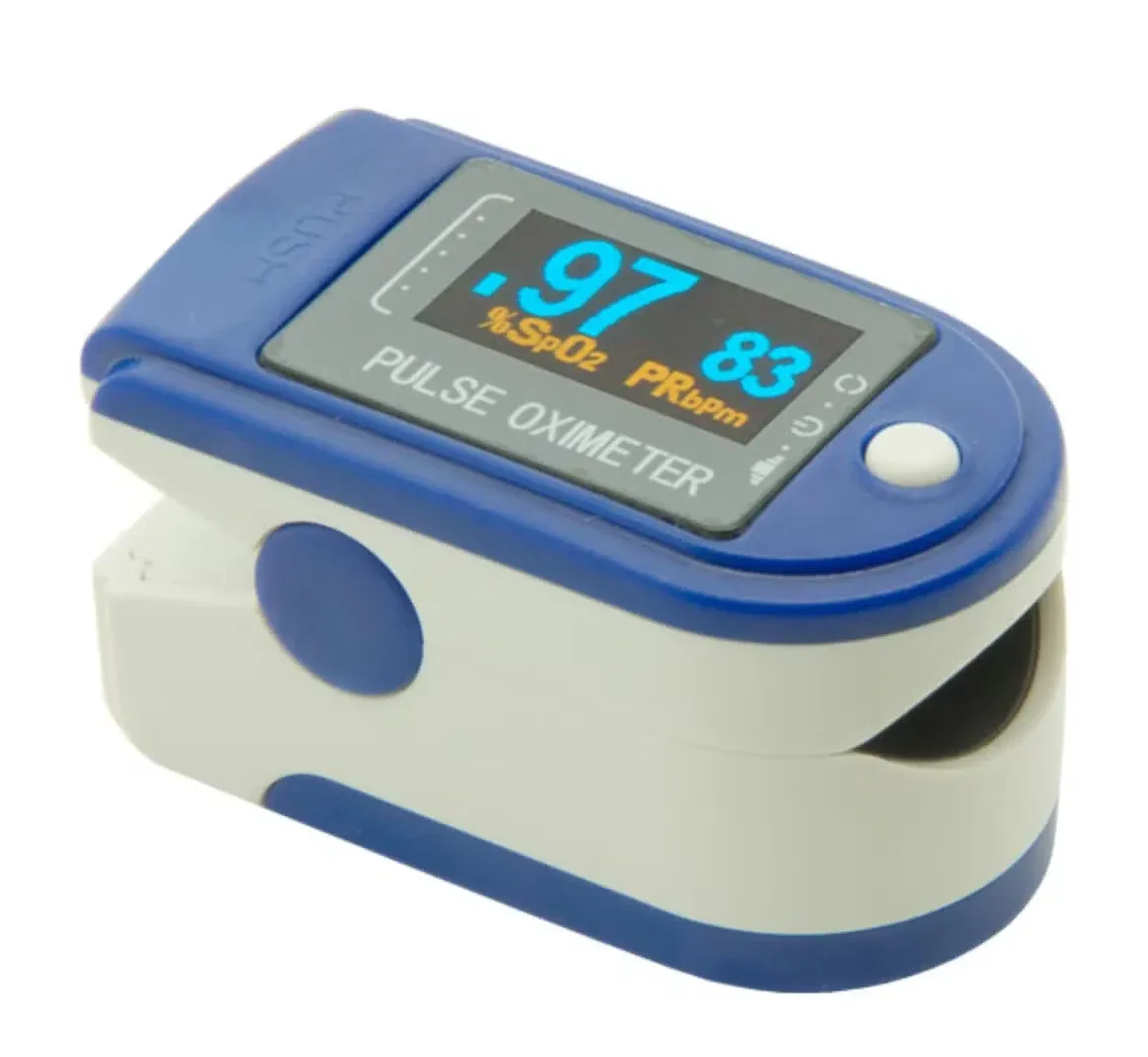
| Pulse Oximeters | 1 | MedPrax | On enquiry |
| Ultrasound | 1 | MedPrax | On enquiry |
| X-Ray Machines | 1 | MedPrax | On enquiry |
Market Overview: ICU and Critical Care in Mumbai
Mumbai healthcare buyers researching icu and critical care equipment require a practical procurement path connecting clinical fit, technical specifications, delivery planning, installation, and compliance documentation. In Mumbai, India, local demand focus includes corporate hospitals, surgical centers, diagnostic chains, while icu and critical care requirements are heavily shaped by bed count, acuity level, alarm workflow, respiratory support, and uptime expectations. Typical buyer profile includes private hospitals.
Mumbai Logistics & Compliance Context
Procurement of icu and critical care equipment in Mumbai requires careful coordination of regional regulatory standards, applicable tax and import documentation, and delivery logistics. Shortlists should address price-sensitive shortlisting, service coverage, and delivery scheduling, local installation coordination, and after-sales service response. Buyers should request GST details, tax documentation, installation scope, catalogues, and warranty terms along with specialty-specific compliance files for internal sign-off.
- ventilation and monitoring configuration
- mounting and gas supply readiness
- critical spares and consumables
- training for ICU staff
Specialized Equipment Showcase for ICU and Critical Care
A comprehensive shortlist for Mumbai should compare multiple brands and configurations. Evaluation must encompass total setup requirements—including probe/sensor options, mounting systems, power compatibility, and consumable supply—rather than standalone device unit price. The local decision path follows biomedical, finance, and clinical leadership review before vendor finalization.
- Specify delivery city, organization type, quantity, department, and target timeline.
- Confirm compatible accessories, sensors, consumables, calibration, installation, and user training needs.
- Request supplier verification and model equivalence options if preferred models face stock lead times.
- Include financing options or customs clearance support requests where applicable.
Local Support, Warranty & Service in Mumbai
For Mumbai requirements, buyers can ask suppliers to confirm installation, training, warranty, maintenance, and spare-parts terms for the selected configuration. Warranty terms can be negotiated as part of the enquiry and should be confirmed before purchase.
- Ask suppliers to confirm installation, calibration, and site-readiness support.
- Discuss negotiable warranty terms, maintenance options, and service scope.
- Request spare-parts availability, service response, and consumable support for the destination.
- Ask whether user training is available for the selected configuration.