
Why Proper ENT Hospital Set-Up Matters?
A well-planned ENT department helps in the following ways :
- Faster and more accurate diagnosis
- Smooth patient flow with less waiting time
- Lower risk of infection during procedures
- Better outcomes in surgeries like tonsillectomy, sinus surgery, and mastoidectomy
- Easier compliance with healthcare accreditation standards
Whether the facility is a large multi-specialty hospital or a small rural ENT clinic, the basic building blocks stay the same, good infrastructure, the right instruments, trained staff, and clear patient workflows.
Step 1 : Hospital Infrastructure Planning for ENT
Before buying any equipment, the space itself needs planning.
Space Requirements
- Consultation Rooms : Have at least two, so multiple patients can be assessed at the same time. Each room needs basic diagnostic tools, an examination chair, proper lighting, and a computer system for electronic medical records.
- Waiting Area : Comfortable seating, good ventilation, natural light, and health education boards.Diagnosis in ENT relies on being able to see very small structures clearly. Below are the main categories of ENT diagnostic equipment, organized by the part of the body they examine.
- Procedure Room : For minor surgical work, equipped with instruments, a suction machine, sterilization facilities, and strong lighting. A recovery area next to this room adds an extra layer of patient safety.
- Audiology Room : A soundproof space is required if hearing tests are offered, since background noise can throw off test results.
- Operation theater (OT) : For major ENT surgeries, following standard OT design principles (temperature control, sterile zones, medical gas supply, and proper lighting).
- Minor OT / Endoscopy Room : For smaller procedures that don't need a full major OT setup.
- Wards : Include a semi-intensive care area with central suction, oxygen supply, and humidifiers for post-operative patients.
Layout Considerations
- Accessibility : Wheelchair ramps, accessible restrooms, and rooms that fit mobility aids
- Flow efficiency : Consultation rooms, procedure rooms, and waiting areas should be arranged so patients don't have to walk back and forth unnecessarily
- Infection control zoning : Keeping sterile procedure areas separate from general waiting areas
Step 2 : ENT Diagnostic Equipment
Ear Examination Devices
- Otoscope is the most basic and widely used ENT device. It lets a doctor look into the ear canal and check the eardrum for problems like infection (otitis media) or wax build-up. Most OPD otoscopes are monocular (2D view), while a binocular ENT microscope gives a 3D, magnified view useful for procedures like ear wax removal.
- Audiometers are used to test hearing. The patient wears headphones and responds to different sound frequencies, and the results are plotted on a graph called an audiogram. This helps identify whether hearing loss is caused by nerve damage (sensorineural) or eardrum/bone damage (conductive).
- The Tympanometer measures air pressure inside the middle ear and checks for fluid behind the eardrum. It's especially useful for diagnosing conditions in young children who can't describe their symptoms clearly.
- BERA and OAE screening machines used for newborn and infant hearing screening, and to test nerve pathways involved in hearing.
- Tuning fork is a simple, low-cost instrument (commonly 256Hz, 512Hz, or 1024Hz) used for basic hearing tests like Rinne's and Weber's tests.
Nasal and Sinus Examination Devices
- Nasal speculum is a hand-held instrument used with a headlight to examine the inside of the nose, including the septum and turbinates.
- ENT endoscopy (nasal endoscope) a thin scope with a camera that gives a detailed, magnified view of the nasal cavity and sinuses. It helps detect nasal polyps, septal deformities, swelling, and sinus drainage problems that a simple speculum exam might miss.
- Sinuscope is a specialized endoscope used specifically for examining and treating sinus conditions, often used together with functional endoscopic sinus surgery (FESS) instruments.
- Rhinomanometer measures airflow and resistance through the nasal passage, helping doctors assess how well a patient is breathing through the nose and diagnose nasal obstruction.
Throat and Voice Box Examination Devices
- A laryngoscope is used to examine the larynx (voice box) and vocal cords. There are different types :
- Indirect laryngoscopic mirror is a simple mirror placed at the back of the throat to view the larynx without inserting anything further
- Rigid direct laryngoscope inserted through the mouth for a direct view of the vocal cords
- Flexible laryngoscope / nasopharyngo-laryngoscope a thin, bendable scope passed through the nose to examine the throat and voice box, useful for patients with hoarseness or swallowing difficulty
- Kleinsasser suspension laryngoscope is used during microlaryngeal surgery, where a microscope is fixed at one end for magnified surgical work on the vocal cords
Comparing ENT Endoscopy and Laryngoscopy Although both tools help visualize the airway, they serve different purposes :
- ENT endoscopy generally refers to thin, camera-equipped scopes used for the nose, sinuses, and general upper airway mainly for diagnosis and minimally invasive procedures.
- Laryngoscopy specifically refers to examining the larynx and vocal cords, and can be done indirectly (with a mirror), directly (with a rigid scope), or through surgical suspension laryngoscopes during procedures.
In many modern ENT clinics, endoscopy and laryngoscopy tools work together; a nasal endoscope may be used first for general screening, followed by a laryngoscope for a focused look at the vocal cords if needed.
Step 3 : Otolaryngology Instruments Used in Surgery
Once a diagnosis is made, ENT surgeons use a wide range of otolaryngology instruments depending on the procedure. Below are examples grouped by procedure type, these fall under the umbrella of ENT surgical tools.
Tonsillectomy and Adenoidectomy Instruments
- Boyle-Davis mouth gag (keeps the mouth open during surgery)
- Draffin's bipod and Magauren's plate (stabilize the mouth gag)
- Tonsil dissector and pillar retractor
- Tonsil snare and Eve tonsillar snare
- Adenotome and adenoid curette (with or without a cage, to prevent aspiration)
- Tonsil artery forceps (e.g., Negus or Burkit type) for controlling bleeding
Nasal Surgery Instruments
- Killian's nasal speculum (self-retaining, used in septoplasty)
- Freer elevator
- Asch forceps and Walsham's forceps (used to correct fractured nasal bones)
- Thudicum's nasal speculum (used for basic nasal exams)
Ear Surgery Instruments
- Mastoid retractors (Mollison, Jansen, Plester, Perkins, Wietlaner types each differs by the number and shape of prongs)
- Microdrill and burrs, used for mastoidectomy and other ear-bone surgery
- Graft knife and graft press, used in tympanoplasty (eardrum repair)
- Stapedectomy instruments, including prosthesis crimpers and measuring rods, used for very delicate middle-ear surgery
Airway and Emergency Instruments
- Tracheostomy set, including a tracheal dilator and cricoid hook
- Cricothyrotomy set, for emergency airway access
- Foreign body removal forceps, used across ear, nose, throat, and airway emergencies
Advanced Surgical Technology Larger ENT hospitals often add advanced tools for complex procedures :
- Coblator and microdebrider used for sinus surgery and soft tissue removal with minimal damage to surrounding areas
- CO2 laser and diode laser used in voice box and throat surgeries
- Cryo surgical system used for treating certain nasal and throat conditions using controlled freezing
- Nerve stimulator used during major head and neck surgery to monitor nerve function and avoid injury during dissection
Step 4 : Common ENT Procedures and the Equipment They Need
Each of these procedures also requires standard operation theater basics, an OT table, anesthesia machine, patient monitor, sterilization equipment, OT lighting, suction apparatus, and instrument trolleys.
| Procedure | Key Equipment Needed |
|---|---|
| Tonsillectomy / Adenoidectomy | Mouth gag, tonsil dissector, snare, suction |
| Septoplasty | Killian's speculum, freer elevator, nasal instruments |
| Myringotomy / Grommet insertion | Politzer's myringotome, aural speculum, grommet |
| Mastoidectomy | Microdrill, mastoid retractor, ENT microscope |
| FESS (sinus surgery) | Rigid nasal endoscope, light source, sinus punches |
| Tracheostomy | Tracheostomy set, tracheal dilator |
| Microlaryngeal surgery | Suspension laryngoscope, ENT microscope, micro forceps |
| Stapedectomy | Perforator, prosthesis crimper, measuring rod |
Step 5 : Setting Up the ENT OPD Unit
A modern ENT treatment unit in the outpatient department typically combines several tools into one workstation, including :
- Fiber optic head light and cold light source
- Suction apparatus
- Instrument tray and endoscope holder
- Cautery unit
- Mirror re-warmer (for indirect laryngoscopy mirrors)
- Optional additions: video imaging system, CCD camera, and a dedicated patient chair with a doctor's chair
This kind of integrated unit reduces the time spent switching between separate devices, which speeds up patient consultations, especially in busy clinics.
Step 6 : Staffing an ENT Department
Equipment alone doesn't run a department trained people do. A functional ENT setup needs :
- ENT specialists (otolaryngologists) at least one full-time specialist, with more added as patient volume grows
- Nurses trained in ENT care to assist during procedures and manage post-operative recovery
- Audiologists required if hearing tests and rehabilitation services are offered
- Administrative and records staff for registration, scheduling, and maintaining accurate patient records
Regular training and workshops help staff stay updated on new diagnostic techniques and equipment.
Step 7 : Patient Flow and Quality Improvement
Efficient ENT departments also focus on :
- Appointment scheduling systems that reduce wait times, often through electronic medical record (EMR) software
- Triage protocols to prioritize patients with urgent conditions
- Patient education materials explaining common ENT conditions
- Regular clinical audits to track outcomes and identify areas for improvement
- Infection control protocols, including strict sterilization practices and use of personal protective equipment
- Telemedicine setups for remote consultations, which are especially useful for reaching patients in areas with limited access to specialists
Advancements in ENT Technology
ENT care has changed significantly with newer technology :
- Digital and video endoscopy now allow images to be recorded and reviewed, rather than relying only on live viewing through a mirror or eyepiece
- Powered instruments like microdebriders have largely replaced older hand-crank tools for sinus surgery, reducing tissue damage
- Portable and compact audiometers make hearing screening possible even in smaller clinics and rural outreach camps
- Coblation technology uses lower temperatures than traditional cautery, reducing pain and recovery time after procedures like tonsillectomy
ENT Hospital Set-Up in India: Market and Planning Context
India's medical device market for ENT equipment continues to expand as more hospitals from large metro centers to smaller district hospitals invest in dedicated ENT departments. Planning an ENT set-up in India generally involves :
- Balancing imported, high-precision equipment (such as advanced endoscopy systems) with cost-effective locally available basic instruments
- Meeting standards set by medical councils and accreditation bodies for OPD and OT design
- Building outreach capability through telemedicine and camps, especially for hearing screening in rural areas
- Training biomedical staff to maintain equipment like microscopes, drills, and endoscopy towers, which need regular calibration and servicing
Hospitals planning a new ENT unit whether in a metro city or a smaller town benefit from working with experienced medical equipment planners who understand both diagnostic needs and surgical infrastructure requirements.
Final Checklist for ENT Hospital Set-Up
- At least two consultation rooms with basic diagnostic tools
- Soundproof audiology room (if hearing services are offered)
- Procedure room with suction, sterilization, and recovery space
- Fully equipped major/minor operation theater
- Core diagnostic devices: otoscope, audiometer, tympanometer, nasal endoscope, laryngoscope
- Surgical instrument sets for common procedures (tonsillectomy, septoplasty, mastoidectomy, tracheostomy)
- ENT microscope for ear and microlaryngeal surgery
- Sterilization equipment and infection control protocols
- Trained staff: ENT specialist, nurses, audiologist, administrative team
- Patient flow systems: EMR, scheduling, triage protocols
Conclusion
A successful ENT hospital set-up brings together the right physical space, the right mix of ENT devices, trained staff, and efficient patient flow. From basic tools like the otoscope and tuning fork to advanced systems like endoscopy towers, microdebriders, and lasers, every piece of equipment plays a specific role in diagnosing and treating ear, nose, and throat conditions. Whether building a large hospital ENT department or a small rural clinic, following a clear, step-by-step plan for infrastructure, diagnostic equipment, and surgical instruments helps ensure safe, efficient, and high-quality patient care.
Available Sourcing Catalog
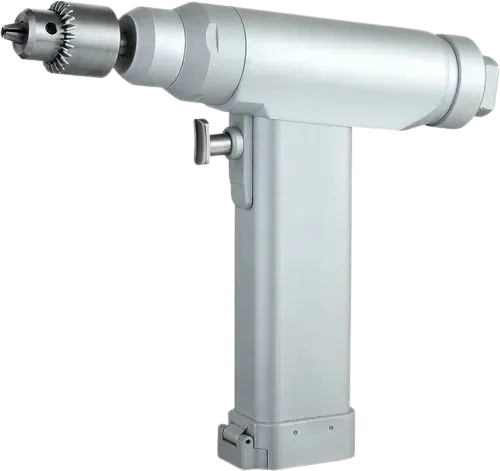
Portable Hand Drill for Neuro, Spine and Orthopedic Surgery
A compact, hand-held surgical drill for controlled bone drilling in neuro, spine, and orthopedic procedures. The pistol-grip body and keyed multi-jaw chuck support stable handling with procedure-selected drill bits. Power configuration, attachments, and sterilization protocol are confirmed during enquiry.
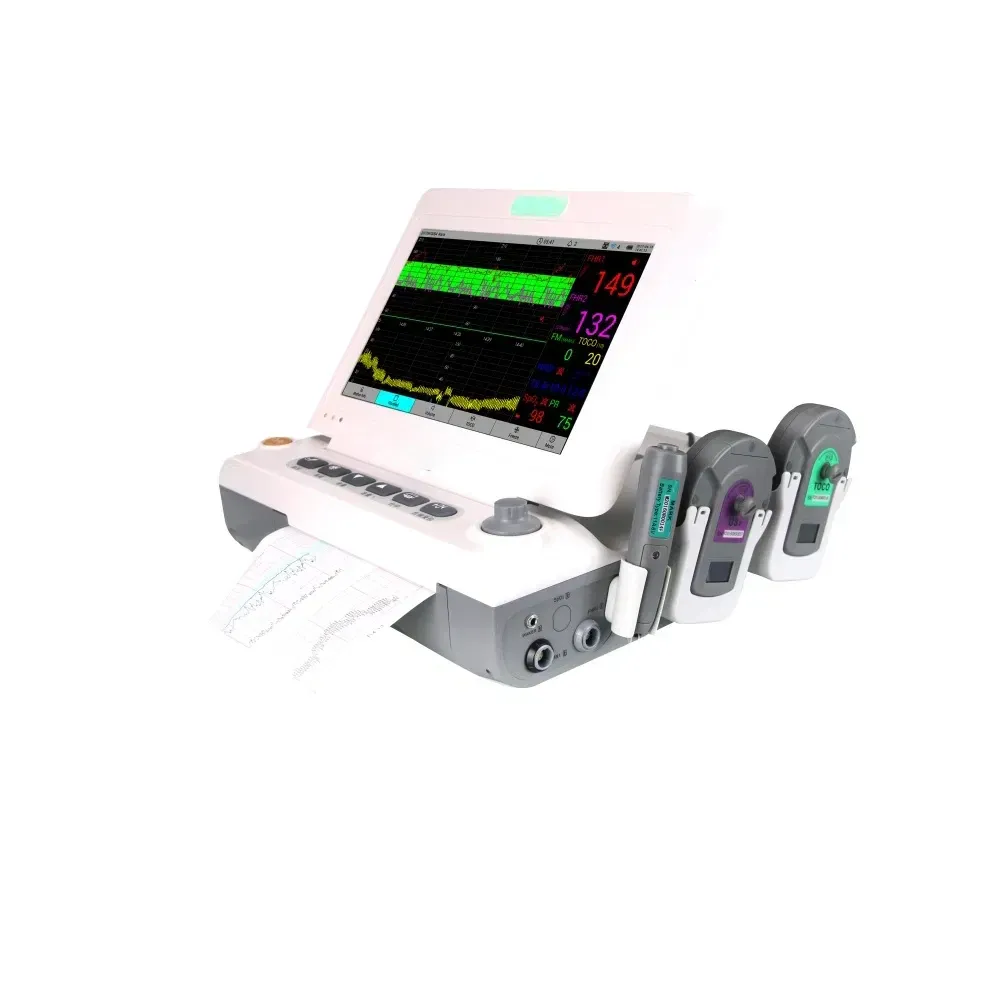
Multi Parameter Patient Monitor Maternal Monitor Fetal Monitor
A multiparameter patient monitor displays physiological measurements for observation of patient status. It supports monitoring workflows in clinical areas where staff need to review several measurements together. This listing references maternal and fetal monitoring in its title, so the required patient-monitoring or obstetric configuration should be established for the selected model.
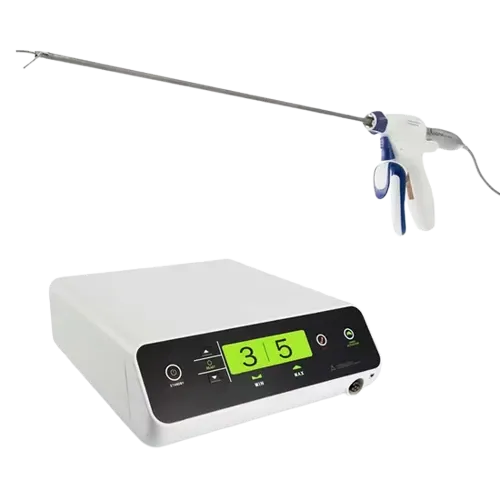
Ultrasonic Harmonic Surgical Scalpel & Generator System
The listed configuration is a ultrasonic harmonic surgical generator and shears system providing precise simultaneous cutting and coagulation of soft tissue and vessels up to 5mm with minimal thermal spread. It uses ultrasonic energy for surgical tissue cutting and coagulation through a compatible handpiece.
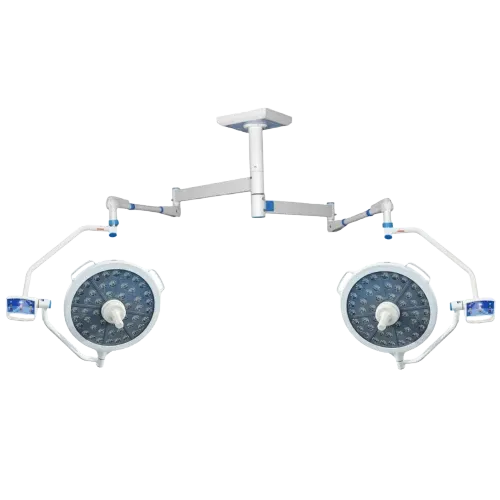
Ceiling Twin-Dome Shadowless LED Surgical Light (160k + 120k Lux)
The listed configuration is a ceiling-mounted dual-dome shadowless LED surgical operating light providing 160,000 + 120,000 Lux illumination, adjustable color temperature (3800K-5000K), CRI ≥97, and Endo mode. The illumination system supports visibility of the operative field during surgical procedures.
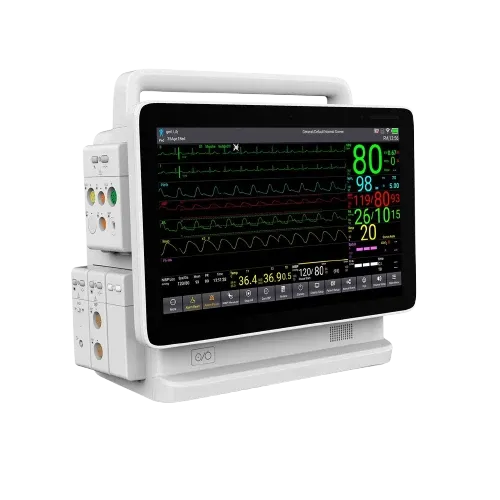
Modular High-End ICU Patient Monitor with Capnography (EtCO2)
The listed configuration is a modular ICU patient monitor with plug-and-play parameter slots, sidestream/mainstream EtCO2 capnography, dual invasive blood pressure (IBP), and 15-inch high-resolution touchscreen. The modular format supports configuration of monitoring parameters for intensive-care observation.
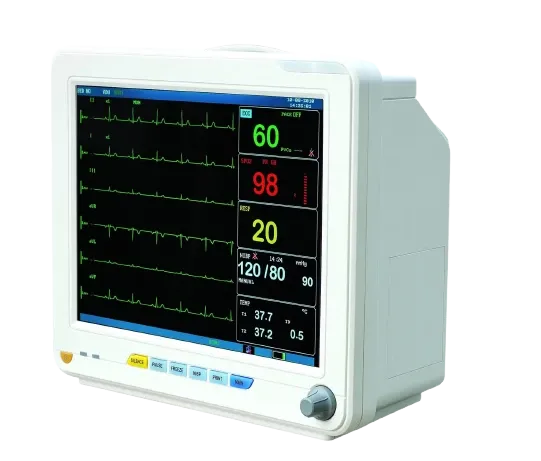
5-Parameter Multipara Patient Monitor (12.1" Display)
The listed configuration is a comprehensive 12.1-inch color TFT multi-parameter patient monitor offering continuous real-time ECG, SpO2, NIBP, Respiration, and Dual Temperature tracking with arrhythmia analysis. It displays physiological measurements together for observation and clinical review of patient status.
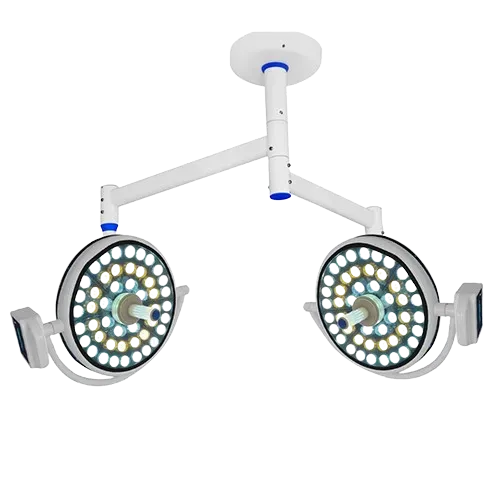
OT Light
An operating-theatre light illuminates the surgical field during operative procedures. It supports the visibility required for tissue examination, dissection and other surgical tasks. The selected light-head arrangement, mounting format and illumination controls are matched to the theatre layout and procedure requirements.
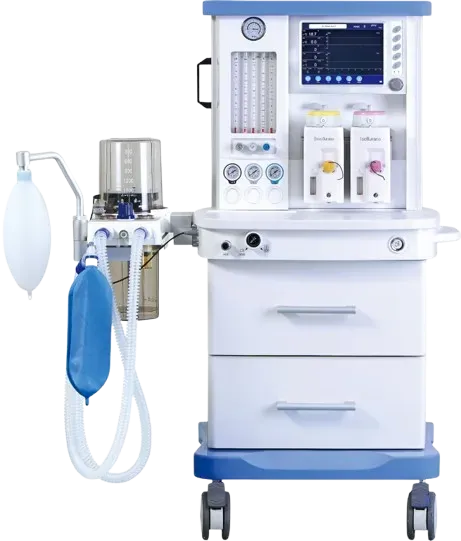
Anesthesia Workstation
An anesthesia workstation supports delivery of anesthetic gases and management of ventilation during surgery. It forms part of the operating-theatre anesthesia setup alongside the required patient monitoring equipment. The selected configuration is matched to the intended breathing circuit, vaporizers and ventilation requirements.
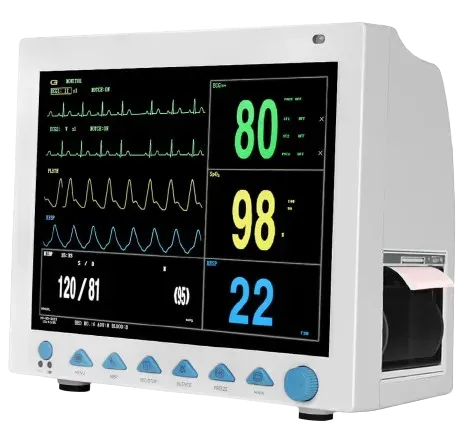
Patient Monitor
A patient monitor displays physiological measurements for observation of patient status. This listing covers monitoring equipment for intensive care, operating theatres and hospital wards. The available measurements and accessories depend on the selected configuration and the department monitoring requirements.
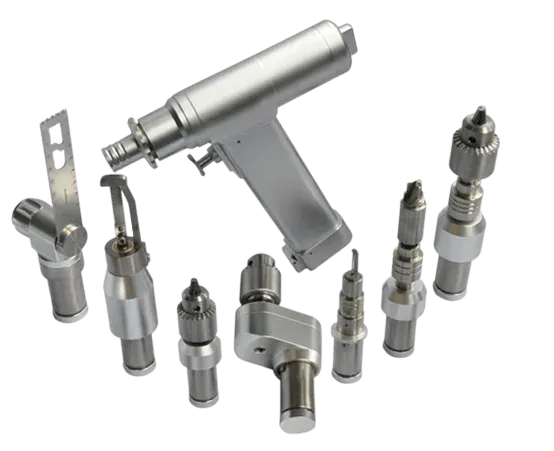
Craniotomy Drill Set
A craniotomy drill set provides drilling instruments for bone preparation during cranial surgery. It supports operative workflows requiring cranial access and controlled bone drilling. The set configuration is selected according to the required drill sizes, attachments and compatibility with the intended drive system.
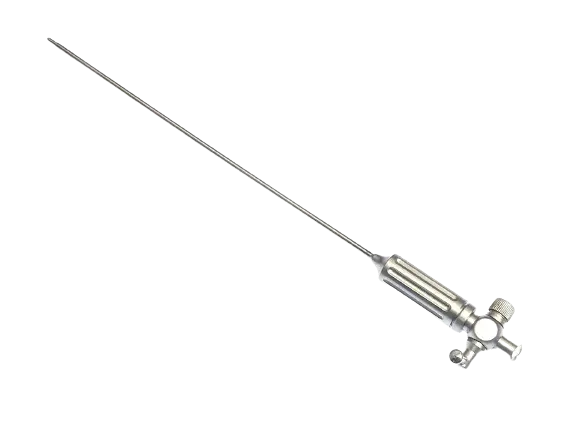
Veress Needle
A Veress needle is an access instrument used for introducing insufflation gas during laparoscopic preparation. It forms part of the equipment used to establish pneumoperitoneum before placement of working ports. The needle length and connection format are selected to suit the clinical access technique and insufflation setup.
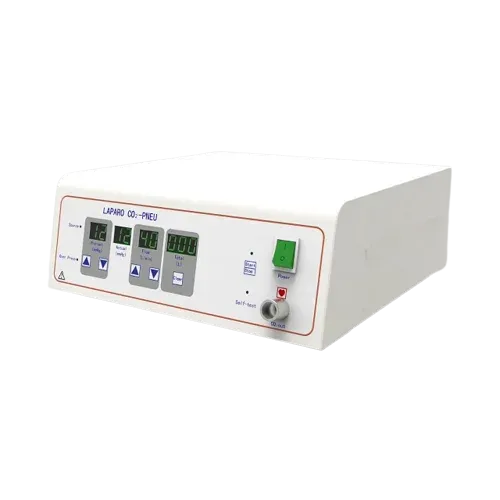
Insufflator
An insufflator delivers carbon dioxide to establish and maintain a working space during laparoscopic surgery. It supports pneumoperitoneum as part of the minimally invasive operative setup. The system is selected according to the required flow capability, pressure controls and compatibility with the intended tubing and access equipment.
Frequently Asked Questions
An ENT hospital or clinic requires core diagnostic equipment including an otoscope, audiometer, tympanometer, nasal endoscope, laryngoscope, rhinomanometer, and an ENT microscope or sinuscope for advanced diagnostic procedures.
An ENT department requires at least two consultation rooms, a comfortable waiting area, a dedicated procedure room for minor procedures, a soundproof audiology room for hearing tests, an operation theater (OT) for major surgeries, and wards with central suction and oxygen.
Sourcing Enquiry
Providing institutional-grade planning and equipment specifications for ENT hospitals, clinics, and surgical departments.
Sourcing Security
- Compliant with Healthcare Accreditation Standards
- Comprehensive Infrastructure & Space Planning
- Verified Diagnostic & Surgical Equipment Guidelines
- Sourcing Support for ENT OPD & OTs