


MedPrax Market

Training and skills lab planning

Laparoscopy Training in India

Plan laparoscopy training labs and surgical skills programs with equipment checklists, tower requirements, trainers, instruments, and procurement support.

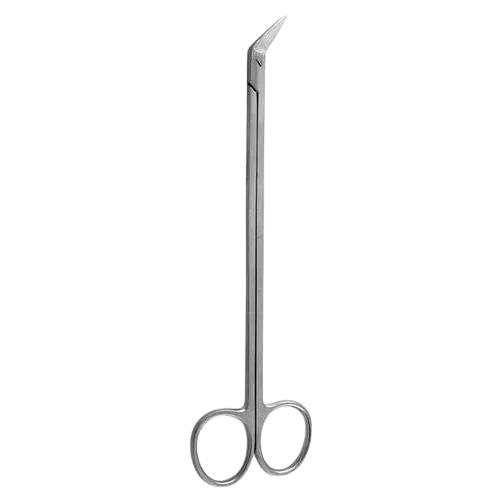
Grooved Director
Surgical Instruments

Grooved Director

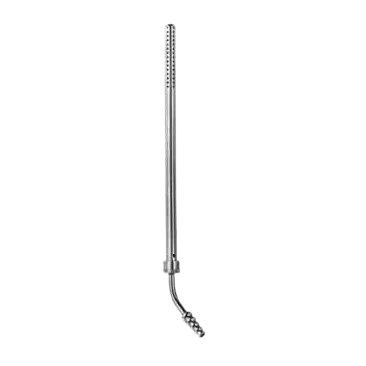
A flat, channelled instrument with a longitudinal groove along its surface and a probe-tipped end, used to guide a scalpel or scissors along a safe path during tissue dissection and incision. The groove cradles the cutting blade, preventing it from deviating laterally and protecting underlying structures from inadvertent injury.

Irrigation Syringe (Reusable)
Surgical Instruments

Irrigation Syringe (Reusable)

A large-volume, piston-type syringe—typically 50 mL to 100 mL capacity—with a catheter-tip or bulb-tip nozzle, used for wound irrigation, bladder irrigation, and enteral feeding bolus delivery. Constructed from autoclavable polypropylene or stainless steel, the reusable irrigation syringe generates a controlled, adjustable stream of irrigating fluid to cleanse wounds, lavage body cavities, and flush drainage tubes.

Craniotomy Drill Set
Craniotomy

Craniotomy Drill Set

Drill Set for Craniotomy.

Trocars
Surgical Instruments

Trocars

Transabdominal working ports where laparoscopic instruments are inserted. Also for insufflation or removal of specimens. Available in multiple sizes.

Laparoscopic Instruments
Surgical Instruments

Laparoscopic Instruments

Handheld and shafted implements used to work through trocars. Can perform grasping, retracting, cutting, cauterizing, and other functions.

Veress Needle
Surgical Instruments

Veress Needle

One method of achieving pneumoperitoneum. Consists of blind placement of needle into abdomen and subsequent injection of gas.

Surgical Clip Applicator
Surgical Instruments

Surgical Clip Applicator

Used in the ligation of vessels, may be metal or absorbable material. Open and lap applicators.

Linear Cutter
Surgical Instruments

Linear Cutter

Creates a linear cut and immediately staples both free edges. Used in separation and anastomosis.

Medical device company details displayed for buyer verification.
Company, tax, and institutional identifiers available for procurement review where applicable.
Enquiry-led sourcing for catalogues, installation needs, documentation, and service support.
Support for hospitals, clinics, diagnostic centers, distributors, and biomedical teams.

Training labs need reliable repeat-use equipment

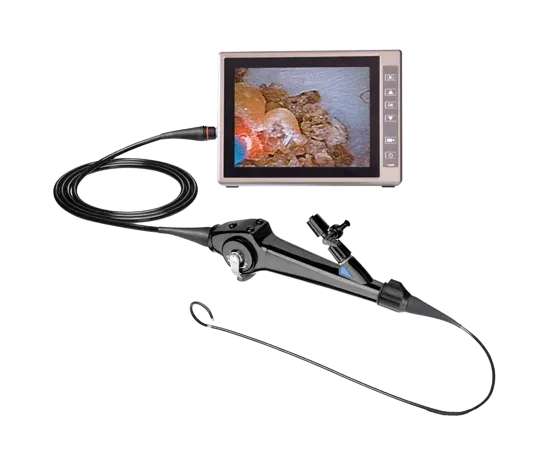
A laparoscopy training setup can include box trainers, scopes, cameras, light sources, monitors, hand instruments, suturing material, simulation models, recording, and storage.

Skills lab checklist

Training procurement should focus on durability, repeatability, maintenance, and faculty workflow.

  • Box trainers and camera/display units
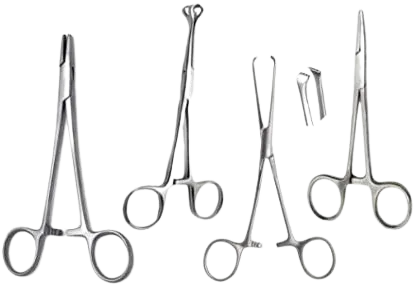
  • Needle holders, graspers, scissors, dissectors, and trocars
  • Recording, demonstration screen, storage, and instrument tracking
  • Consumables, simulation models, cleaning, and replacement planning

Procurement support

MedPrax can help collect a structured requirement for training centers that need multiple stations or a complete skills lab.

FAQs

Can MedPrax help with bulk hospital procurement?

Yes. Buyers can share quantities, delivery city, department, preferred brands, installation needs, and documentation requirements through the enquiry flow.

Why are many medical device prices enquiry-based?

Commercial terms vary by model, accessories, quantity, warranty, installation, training, delivery location, and support requirements, so MedPrax collects enquiries before sharing current options.

Can I request compliance and manufacturer documentation?

Yes. Procurement teams can request catalogues, compliance documents, warranty details, and manufacturer verification during follow-up.

Procurement guide

Laparoscopy Training in India Procurement Support

Need help sourcing laparoscopy training in india?

Finding the right laparoscopy training in india can be difficult when specifications, pricing, compliance expectations, installation needs and supplier options vary from one requirement to another. A hospital adding ICU capacity, a clinic starting diagnostics, a distributor serving a tender and a procurement manager replacing old equipment may all need a different shortlist.

Tell MedPrax what you are trying to achieve: the device or department, quantity, delivery city, expected timeline, preferred brands if any, and whether installation, training or documentation support is required. If the requirement is part of a wider setup, share the room count, bed count or department list so the sourcing conversation starts with the full picture.

What affects the right recommendation

A strong recommendation depends on more than the product name. MedPrax needs to understand the clinical use, workload, configuration, accessory list, consumables, warranty expectations, installation readiness, service support and documentation needs. A monitor, ventilator, ultrasound machine or surgical system may also require sensors, probes, mounts, cables, software, trolleys, calibration or user training before it can be used confidently.

For this requirement, related procurement areas may include Laparoscopic Equipment and Surgical Instruments. If these products will be used in the same department, share them together. That helps MedPrax suggest options that fit the workflow instead of treating each device as a separate purchase.

  • Share the facility type, department and expected patient workload.
  • Mention required quantity, delivery location and procurement timeline.
  • List preferred brands or models, but say whether alternatives can be considered.
  • Include installation, training, warranty and documentation expectations early.

Get quote-ready before follow-up

Before comparing quotes, ask what is included with the device and what must be purchased separately. Request the catalogue, technical datasheet, accessory list, warranty terms, delivery timeline and service coverage. For ICU, OT, diagnostic, emergency or ward use, also discuss room readiness, power requirements, mounting, calibration, training and preventive maintenance.

Institutional purchases often need more than a commercial quote. Procurement and biomedical teams may require supplier details, manufacturer information, compliance documents where applicable, tax documents, warranty notes and technical comparison support. Sharing those needs early helps MedPrax prepare a more useful response.

Delivery, installation and local support

Delivery location changes the sourcing plan. A buyer in a metro city may care most about fast installation and service response, while a buyer in another region or country may need shipment documentation, customs support and landed-cost clarity. Share the destination city and country even if you are still comparing options.

This requirement is commonly connected with Operation Theatre. If the equipment belongs to a department setup, send the department context rather than only one product name. ICU requirements may involve monitors, ventilators, respiratory support, beds and emergency devices; OT requirements may involve lights, tables, anesthesia, instruments and sterilization workflow.

Start with the problem you need solved

A useful MedPrax enquiry can be simple: "We need 10 patient monitors for Nagpur," "We are setting up a dialysis center," "We need a ventilator within this budget," or "Which ECG machine should we buy for a clinic?" Those situations give MedPrax the context needed to suggest practical next steps.

Buyers searching for Laparoscopy Training India, Laparoscopy Trainer Equipment and Surgical Skills Lab Equipment usually want availability, product fit and a reliable sourcing path. The more complete the first enquiry is, the easier it is to discuss catalogues, suitable models, accessories, warranty, documentation and procurement coordination without repeated clarification.